Draw the footprint on the floor
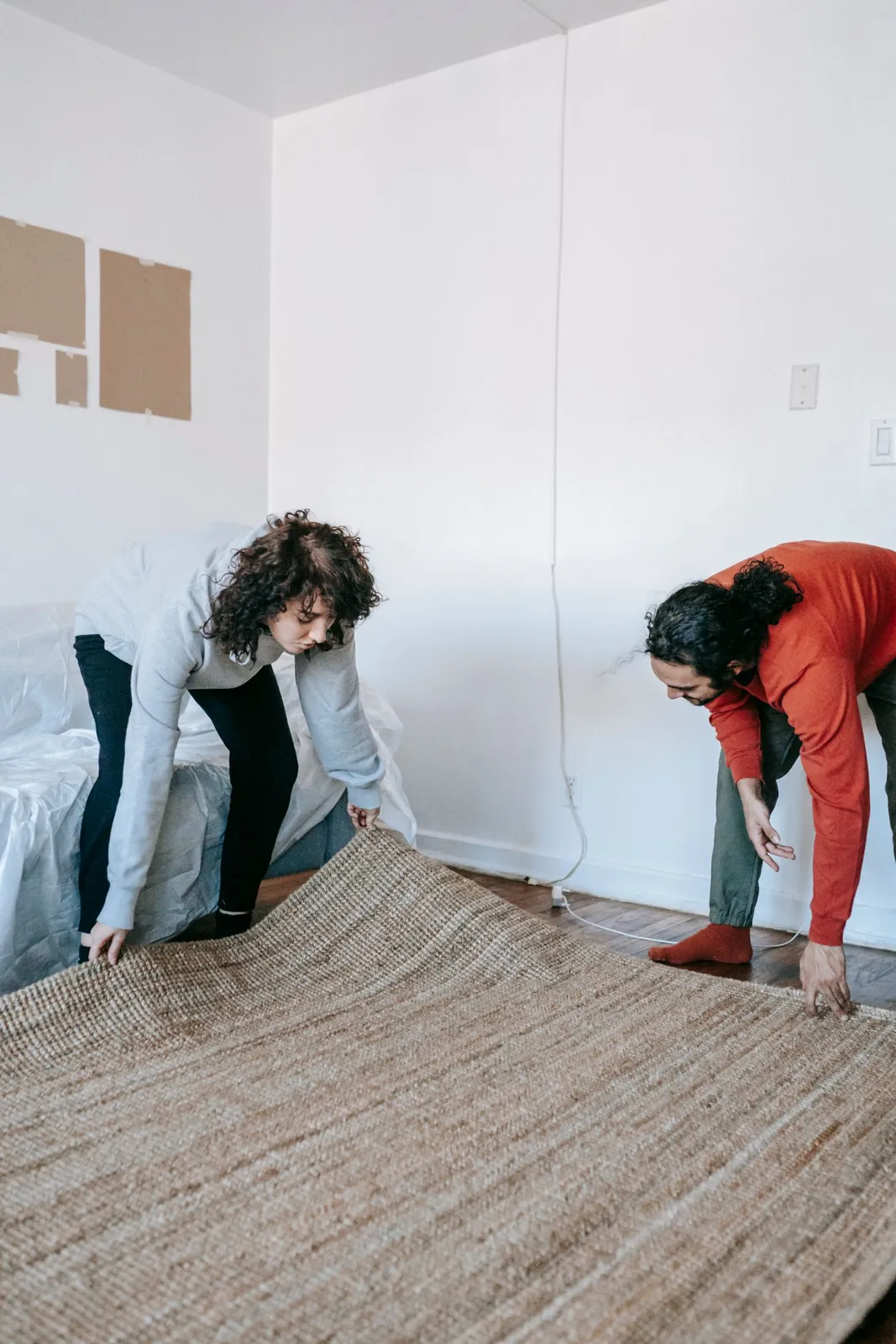
The sofa's overall width and depth matter more than how compact it looks in a product photograph. Mark those dimensions on the floor with a method that will not damage the surface. Include a chaise or projecting arms where relevant. Walk around the outline and imagine nearby tables, open doors and other people moving through the room.
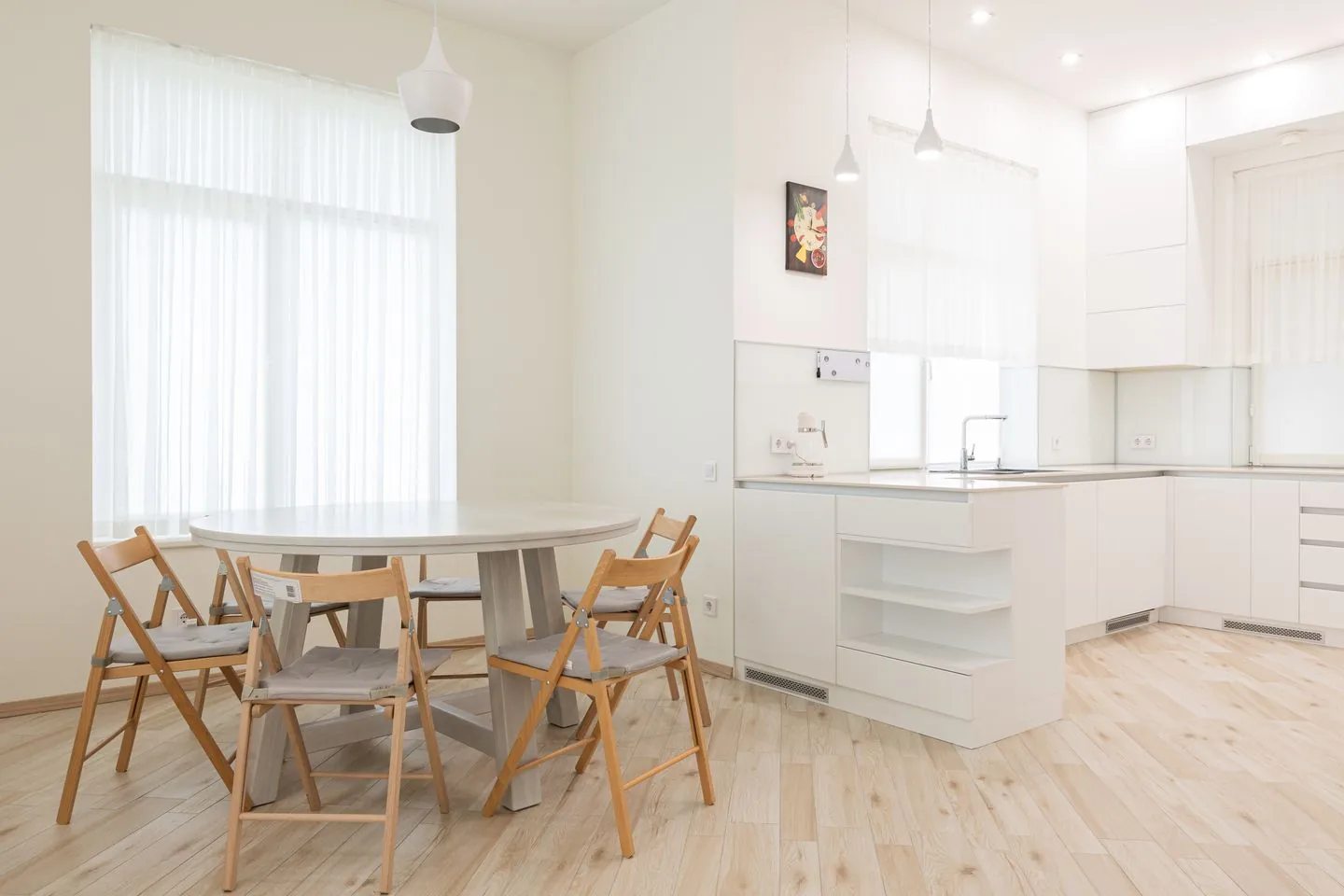
Check the space while using the rest of the furniture. Pull out a dining chair if the room is shared, open cupboard doors and walk towards the window. A sofa can fit against a wall yet leave an awkward route elsewhere. Choose the room's circulation first, then compare sofas that work within it rather than trying to justify a larger favourite afterwards.
Measure the way in
Record door openings, corridors, stair turns and any restricted entrance to the building. Compare these with the packaged dimensions and the retailer's delivery requirements. A sofa that fits its final position may still be impossible to carry there. Ask which parts can genuinely be removed for delivery rather than assuming legs or arms detach.
For flats or shared buildings, check access arrangements, lift dimensions and any relevant delivery rules. Confirm who is responsible for assessing access and what happens if delivery cannot be completed. Keep written product dimensions and the relevant terms available. These are practical purchase details, not something to discover while a large item waits outside the door.
Sit as you normally sit
Seat depth and height affect comfort differently for different people. If possible, try the sofa in your usual position rather than perching briefly on the front edge. Check support behind the knees, the backrest and whether your feet rest comfortably. The arm shape matters if you lean against it or use that end of the sofa regularly.
Think about the number of people who actually sit together. A broad sofa with thick arms may have less usable seating than a narrower-looking design. Fixed divisions between cushions can also influence where people sit. If household members have different needs, look for a sensible compromise rather than assuming one person's quick test represents everyone.
Allow for moving parts
Reclining or adjustable designs need their operating space measured too. Follow the manufacturer's guidance for moving parts and electrical supplies. Check whether the room still works with the mechanism fully extended. The closed footprint is only part of the furniture's real use.
Understand the upholstery and ownership details
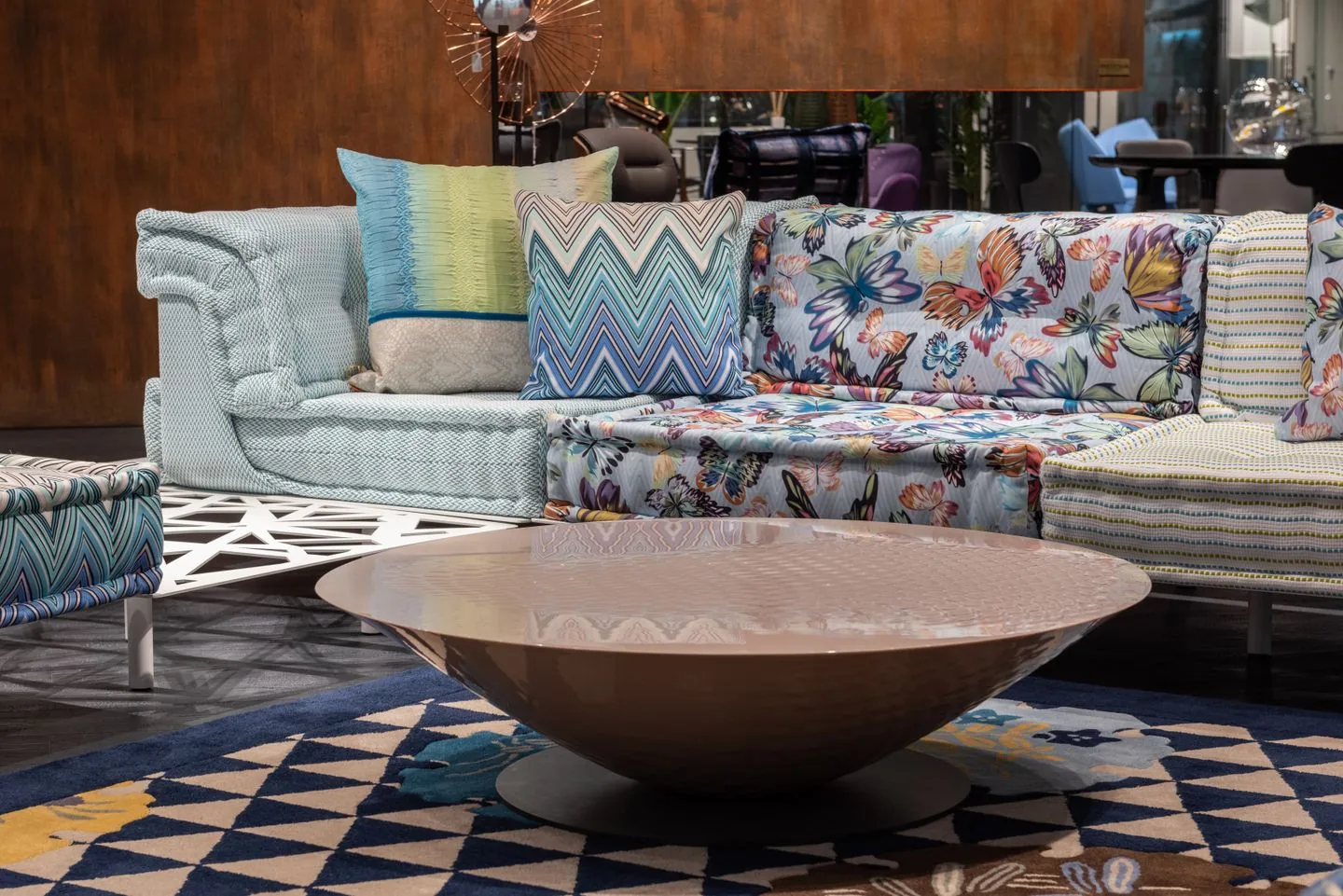
Request fabric samples and compare them in the room's daylight and evening light. Check cleaning instructions, removable-cover details and any relevant information about wear. Do not assume a textured or dark fabric automatically hides every mark. Choose a material you are willing to care for, especially where pets, children or frequent meals affect everyday use.
Read the product description for cushion fillings, assembly, warranty and return conditions. Ask about replacement covers or cushions if that matters to you, without assuming they will always remain available. Compare the complete purchase, including delivery and any required assembly, rather than only the headline price.
Finally, return to the floor outline and the original reason for replacing the sofa. The strongest choice should improve that real need, whether it is easier movement, better support or more useful seating. An appealing shape and colour are valuable, but they work best after the practical fit has been established.
A sofa must fit the room in use, the people sitting on it and the route into the home.
A Swishover guide · Practical ideas to adapt to your own home.
Spotted something we should improve?