Look into the proposed position
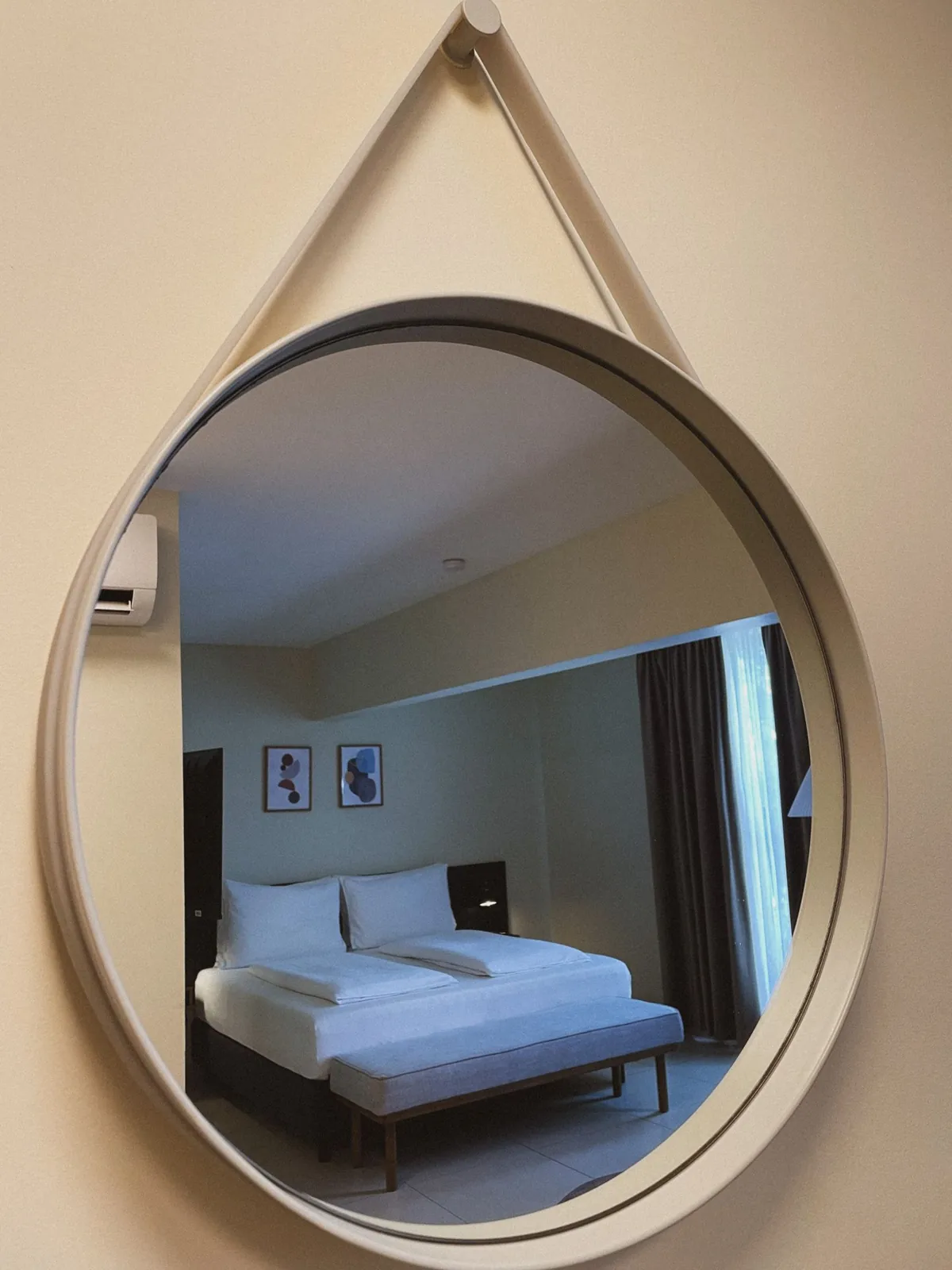
Before choosing a mirror, stand where you plan to put it and consider what faces that wall. A window, a pleasing stretch of room or a useful view of the entrance can make sense. An overflowing shelf or a harsh exposed bulb may simply become more noticeable when reflected. Mirrors repeat what is already there; they do not automatically make every room calmer.
Use a small existing mirror to explore the angle if possible, holding it securely and avoiding awkward handling of heavy glass. Check the view from the doorway, the sofa and the route past it. The reflection changes as you move, so a position that looks appealing directly in front may show something entirely different from the rest of the room.
Name its everyday job
A hallway mirror for checking a coat needs a different height and shape from a small mirror above a bedroom dressing surface. Think about who will use it and what they need to see. A decorative mirror mounted too high for anyone to look into may still be attractive, but it should not be mistaken for a practical dressing mirror.
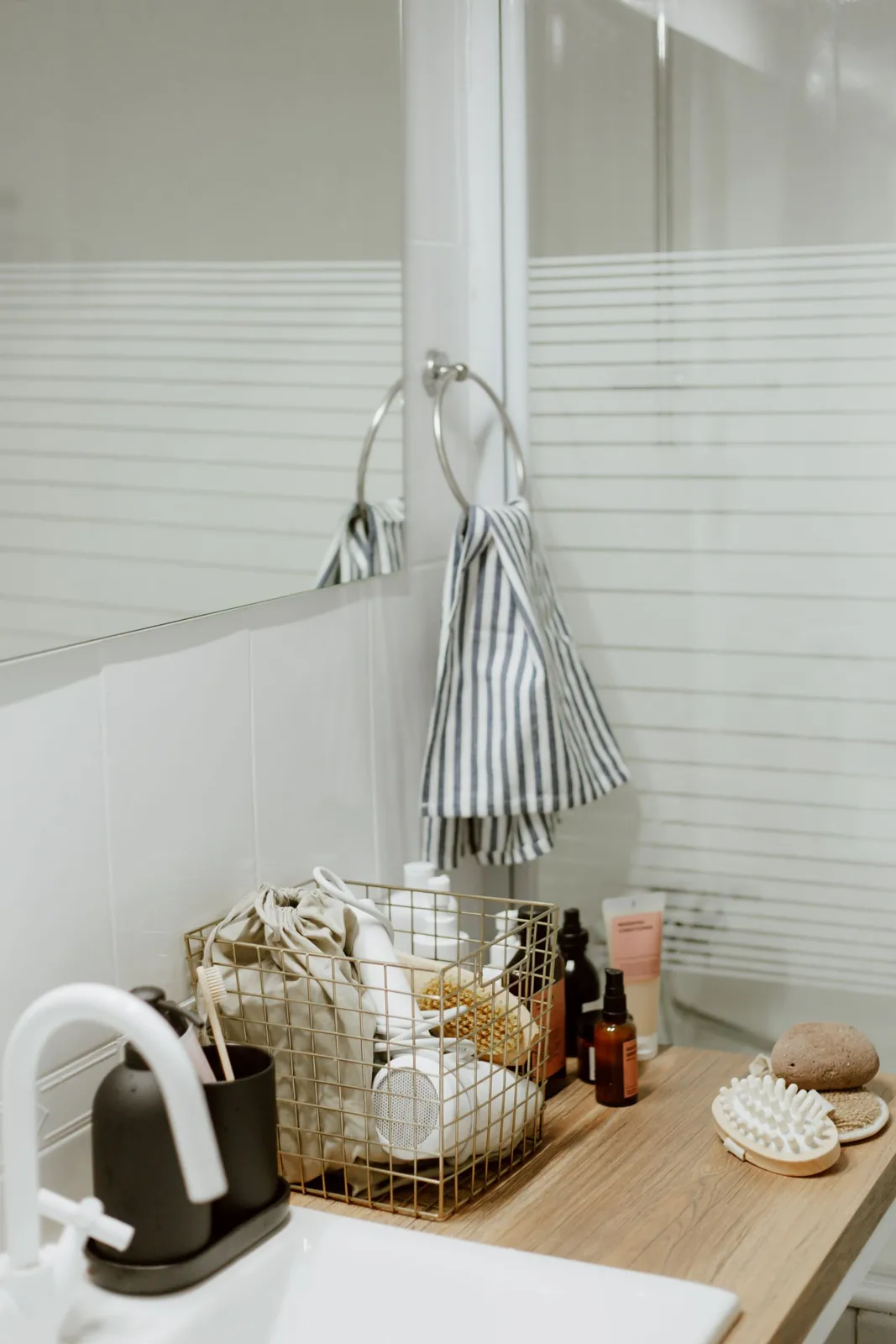
In a bathroom, suitability for the environment matters as much as appearance. Check the product specification and use proper installation advice where electrics are involved. An ordinary framed mirror intended for a dry living space is not necessarily the right choice near regular moisture. Let the room's conditions narrow the options before focusing on the frame finish.
Let the scale relate to nearby furniture
A mirror above a console should feel connected to the surface below without overwhelming it. Tape a paper outline to the wall using a method suitable for the finish, then stand back. This reveals the overall shape more honestly than imagining dimensions from a product page. Leave space around nearby fittings and consider how the frame sits against any wall panelling.
Do not assume a large mirror is always the answer in a small room. A carefully placed smaller one may provide the useful reflection without doubling visual clutter. Equally, several tiny mirrors can create a busier impression than one clear shape. Choose according to the wall and the job, rather than a rule about making rooms look bigger.
Treat the fixing as part of the purchase
Check the mirror's weight, supplied fittings and the type of wall before ordering. The correct attachment depends on the wall construction and the manufacturer's instructions. Ask for qualified help if that is uncertain. A heavy mirror should not be hung from an improvised fastening simply because it appears to hold during installation.
Freestanding and leaning mirrors also need the stability or restraint specified for their design. Consider children, pets and the possibility of someone catching the frame while passing. Avoid placing a mirror where direct sunlight could create an uncomfortable concentrated reflection, and be especially cautious with magnifying or curved mirrors. Practical positioning is part of making the object useful.
Check it in ordinary light
Once safely installed, assess the mirror in daylight and in the evening. Lamps may appear in the reflection even if they were not noticeable during the initial test. Adjust nearby portable lights or accessories if necessary. When the mirror earns its place, it supports a real task or a pleasing view without constantly drawing attention to glare, clutter or an awkward angle.
Check the reflection from normal standing and sitting positions before choosing the mirror location.
A Swishover guide · Practical ideas to adapt to your own home.
Spotted something we should improve?