Watch the light before changing the room
Daylight moves differently through each home. Spend a few ordinary days noticing which places are bright in the morning, which become glaring later and which stay relatively even. You do not need a detailed chart; a few notes can reveal that the dining table is pleasant for an early task but uncomfortable for screen work in the afternoon.
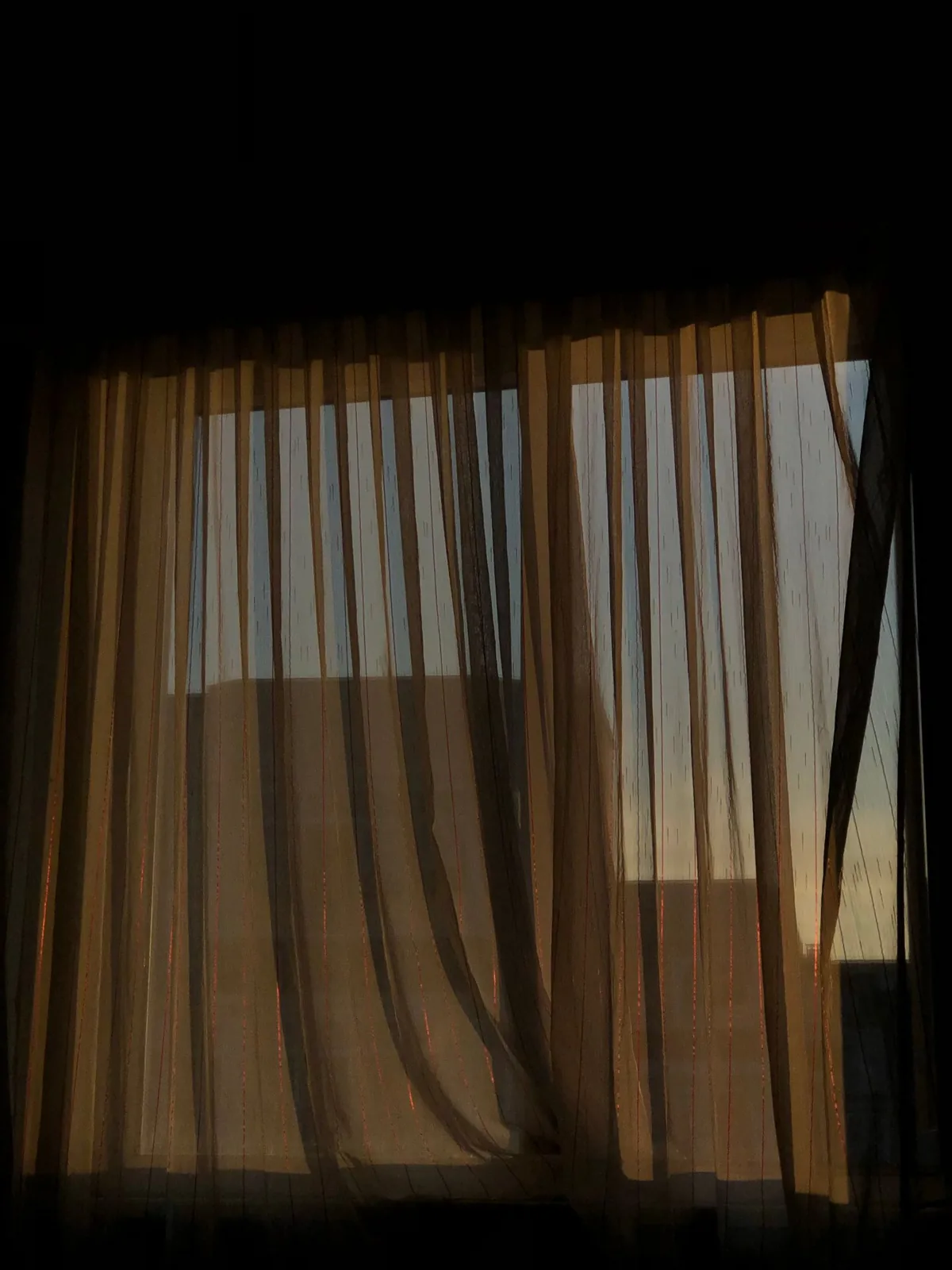
Include the way blinds and curtains are normally used. Privacy may matter more than maximum brightness, particularly at street level. The best routine works with both needs rather than assuming windows should always be completely uncovered.
Pair activities with the useful moments
Reading, drawing, sorting clothes or tending suitable plants may benefit from particular daylight conditions. If a task is flexible, try it when its usual location feels comfortable. This can be simpler than moving furniture or adding equipment to compensate for a difficult time of day.
Keep expectations practical. Work, school and caring responsibilities may determine the schedule, and daylight is not a reason to disrupt them. Look for small opportunities: opening the appropriate blind while having breakfast, moving a chair slightly for a short read or doing a colour-sensitive task before the room becomes dim.
Keep glare out of the routine
More light is not always more comfortable. A bright window reflected on a screen can make work harder, while direct sun across a page may cause strain. Try changing the angle of the chair or screen, often keeping the window to one side, before assuming the room needs a major alteration.
Use suitable window coverings to manage strong light while preserving as much useful illumination as possible. Follow product safety guidance, especially around cords and children. A covering that is easy to adjust is more likely to be used well than one that requires moving furniture every time.
Give dimmer areas appropriate jobs
Not every part of a room needs to perform the same activity. A darker wall may suit storage better than detailed work, while the brightest comfortable area can serve a table or chair. This does not mean filling dim corners with unsuitable plants or relying on daylight where it is insufficient.
Use appropriate artificial light when needed. Daylight varies with weather and season, so a task should not become difficult simply because the sky changes. Think of natural and electric light as supporting the same routine rather than competing approaches to the room.
Protect things that stay in one place
Prolonged direct sunlight can affect some fabrics, artwork and finishes. Follow care guidance for valued objects and consider their position before leaving them in the brightest patch permanently. A chair may benefit from the view without needing to sit in direct sun for the entire afternoon.
Plants also have specific light requirements. Place them according to their needs and the room's actual conditions, not the general assumption that every window is equally suitable. A small change in position can matter, but avoid promising that a darker corner will support a plant simply because it looks good there.
Review the pattern as seasons change
A routine that works in summer may need different lighting or timing later. Notice the change rather than trying to preserve the exact arrangement throughout the year. Curtains, lamps and moveable chairs can provide flexibility without requiring a complete room makeover.
The useful result is a home that responds to its available light. You might gain a more comfortable breakfast place, a less reflective workspace or a better reading hour. Those modest adjustments are enough; daylight does not need to become another schedule to manage or a promise about how every day should feel.
Move activities towards useful light while managing glare, privacy and changing conditions.
A Swishover guide · Practical ideas to adapt to your own home.
Spotted something we should improve?