Check what the recess really offers
Measure the alcove at the floor, midway up and near the top. Walls are not always perfectly parallel, and skirting can reduce the space available for a cabinet. Note sockets, switches and any pipework before choosing a purpose. These details can affect both freestanding furniture and fitted work.
Look at the approach as well as the recess. A wardrobe may fit inside but leave too little space to stand in front of open doors. A desk may fit neatly while its chair blocks the bed. The alcove's capacity includes the area needed to use it, not just the empty volume between the walls.
Decide which job deserves the space
If the bedroom lacks clothing storage, the alcove may be best used for that rather than a decorative dressing table. If storage is already adequate, a compact vanity or reading shelf could improve daily comfort. Choose the missing function that you will use most often.
Avoid combining too many jobs in a narrow opening. A desk that also holds jewellery, makeup and folded clothes is likely to become difficult to clear. One defined use, supported by nearby storage, usually feels more successful than a small surface expected to solve every bedroom problem at once.
Plan the interior before the doors
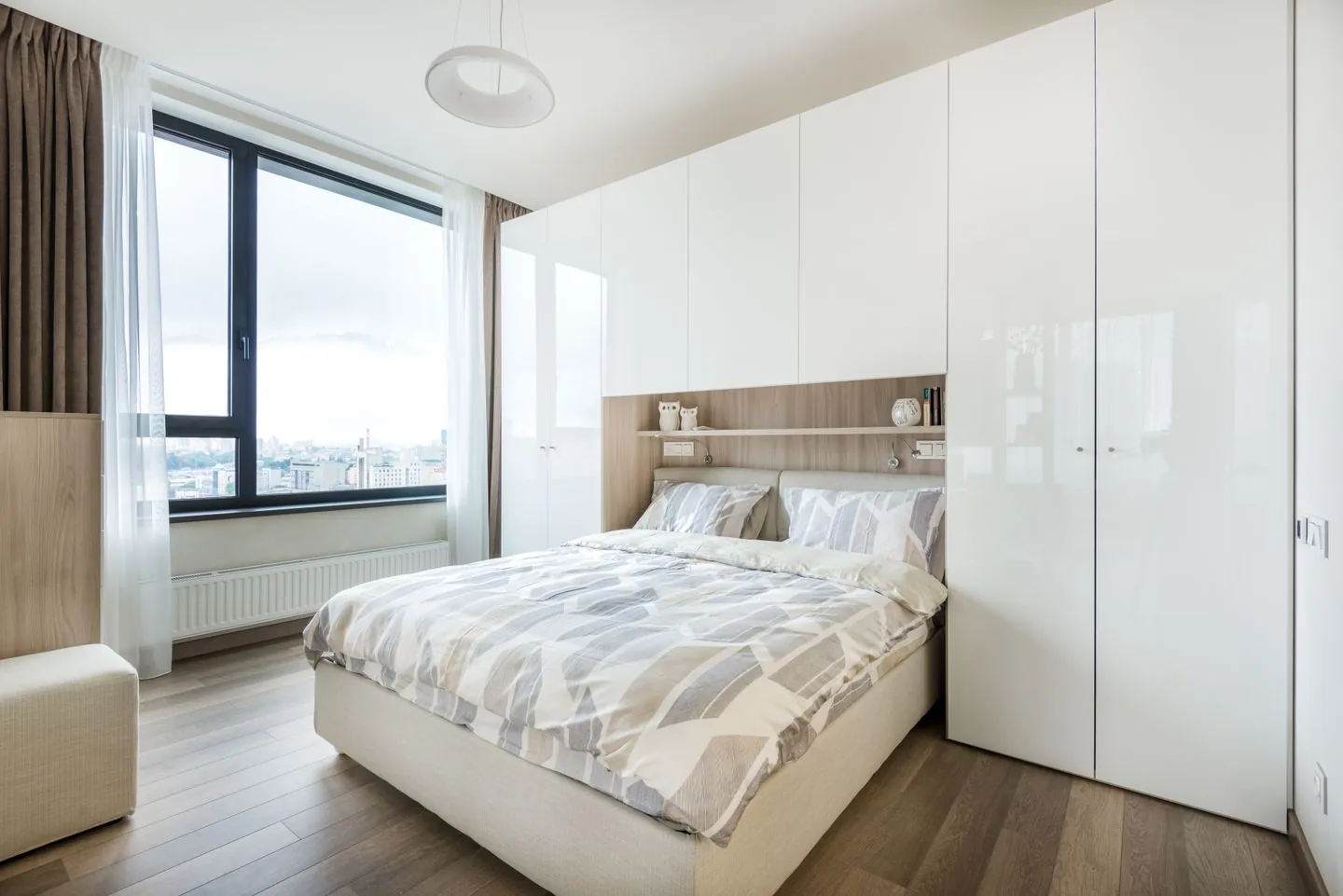
For clothing storage, list what needs hanging, folding or containing in drawers. Check the depth required for the actual hangers and garments. Very shallow recesses may suit shelves better than a conventional hanging arrangement. Fitted storage should be designed around those contents rather than simply covering the opening with attractive doors.
Keep frequently used items within comfortable reach. High shelves can hold occasional belongings, but consider how they will be accessed without unsafe improvisation. Leave some flexibility for changing clothes and seasons. A tightly packed interior may look efficient on day one and become frustrating as soon as the contents change.
Make a seated alcove comfortable
A dressing or work surface needs knee space and a chair that can move back naturally. Test the position with a temporary surface of similar dimensions. Check whether elbows meet the walls and whether the user can stand without turning awkwardly around the bed or another piece of furniture.
Light is especially important in a recess. A room's central fitting may leave the surface shaded. Use appropriate task lighting with safe cable routing, and seek qualified help for electrical changes. For a mirror, consider where the light reaches the face rather than placing a single bright source directly behind the person.
Let the alcove belong to the bedroom
Paint or materials can either blend the alcove into the room or give it a quieter identity of its own. A darker recess may feel cosy, but it can also make finding small items harder. Test the combination with the actual lighting and contents before treating colour as the solution.
Keep the visible surface easy to reset. A dressing area might need one tray and a drawer, while a work surface needs somewhere to put equipment away at night. The alcove should add a useful function without making the bedroom feel permanently unfinished. If the chosen purpose proves awkward, revise it before investing in fixed joinery.
Measure the usable recess, then choose between storage, dressing or a compact work surface.
A Swishover guide · Practical ideas to adapt to your own home.
Spotted something we should improve?