Distinguish a small chair from a small seat
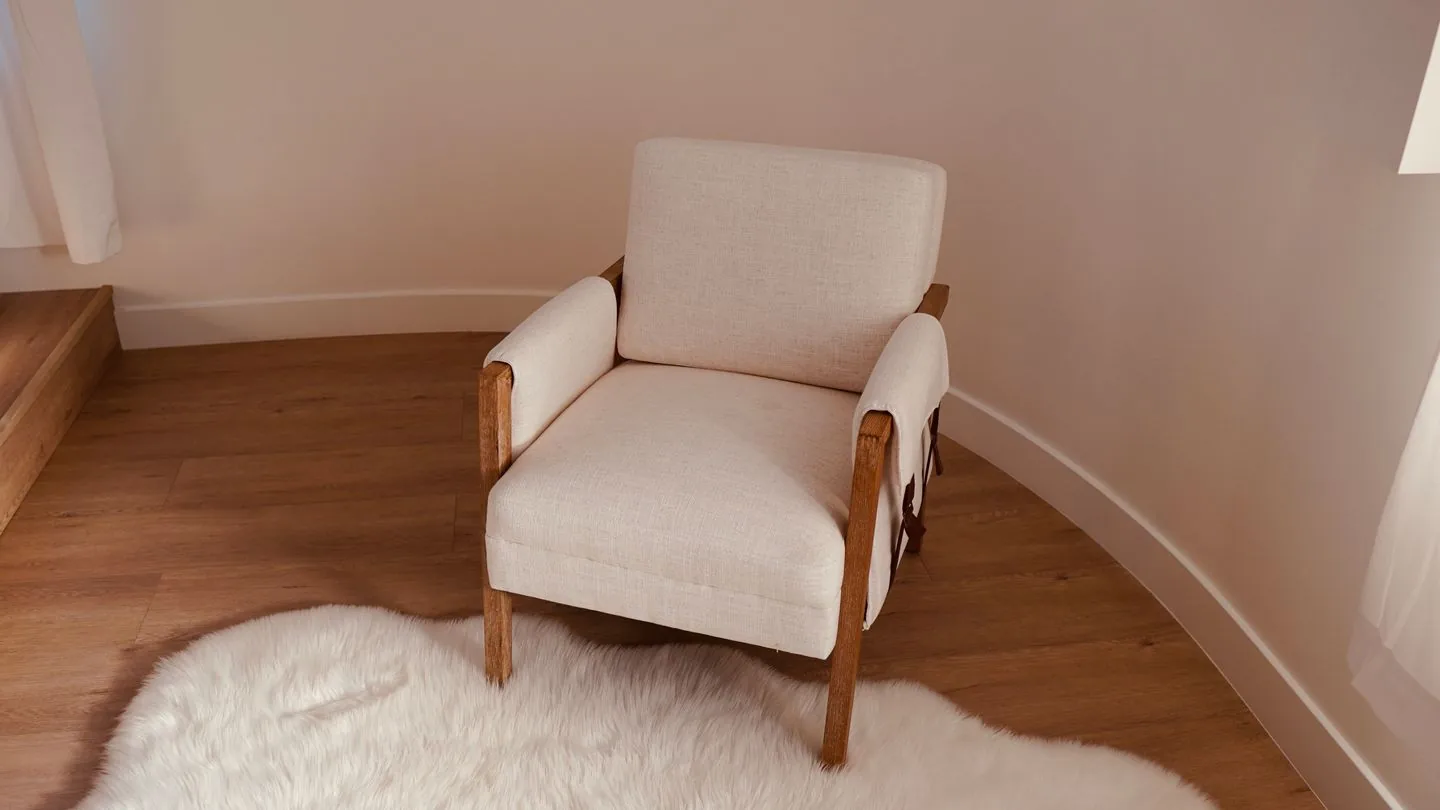
A chair with broad arms can occupy considerable floor space while offering a narrow seat. Conversely, a slim frame may provide useful seating within a modest outline. Compare overall dimensions with seat width and depth. Product photographs can make both look compact, so ask for the measurements that describe the usable space as well as the outer shape.
Mark the complete footprint where the chair will stand, including angled legs or a reclining movement if relevant. Walk around it and open nearby doors. The chair needs room for someone to approach, sit and stand, not just enough floor for its feet. If it only fits when pushed tightly into a corner, it may not become a welcoming seat.
Name the activity it supports
A conversation chair may need to face the sofa, while a reading chair needs comfortable light and a place for a book or drink. A bedroom chair might mainly help with dressing. Choose the design around the actual activity rather than treating any empty corner as a reason to buy one. If no activity comes to mind, the room may benefit more from open space.
Check the supporting details without adding too much furniture. A small side surface can make a chair useful, but together they may exceed the available space. Include both in the footprint test. The complete corner should work as a modest arrangement, not rely on a sequence of further purchases to make the first one comfortable.
Try the seat properly
Sit in the position you expect to use and notice support for your back, arms and feet. A deep seat can be cosy for one person and awkward for another. Getting up should feel manageable too. If several people will use the chair, consider their needs rather than relying on a single quick impression in a showroom.
Avoid assuming extra cushions will correct every mismatch. They may reduce usable depth or push you towards the front edge. A chair should be fundamentally comfortable for its intended user before accessories are added. If trying it is impossible, study the measurements carefully and check return terms, including the effort and cost of returning bulky furniture.
Let the frame suit the room
Visible legs and an open frame can create a lighter impression, but they still need suitable construction and stability. A more enclosed upholstered chair may look substantial while providing the support you prefer. Compare the visual effect with nearby furniture rather than following a rule that every small room needs the lightest-looking design.
Inspect upholstery care and the likely effects of everyday use. Fabric samples help with texture and colour in the room's own light. Check whether covers are removable and what cleaning is actually permitted. An occasional seat and the household's favourite reading chair may need very different levels of maintenance.
Confirm the practical fit
Measure delivery access and review assembly or leg-fitting requirements. Once the chair arrives, follow the instructions and position it with clear access rather than squeezing it back into the taped outline automatically. The purchase succeeds when someone naturally chooses to sit there and the rest of the room remains easy to use. Compact dimensions are useful only when they lead to that comfortable result.
A small armchair is worth its space when it offers a genuinely useful seat without obstructing the room.
A Swishover guide · Practical ideas to adapt to your own home.
Spotted something we should improve?