Put the seating in its proper place first
A coffee table should serve the sofa and chairs, so settle their arrangement before choosing its dimensions. Note the main route through the room and any door or drawer that opens nearby. If the seating layout is already awkward, a new table alone is unlikely to resolve it. Start with the room's movement rather than the empty patch at its centre.
Mark a possible table footprint on the floor using a method suitable for the surface. Walk around it, sit down and stand up from each seat. Include the movement of other people, not just your own preferred route. A shape that looks balanced from above may force someone at the end of the sofa to squeeze past a projecting corner.
Test reach from the seats
The table needs to be close enough for its intended use without crowding knees and feet. Try reaching towards a temporary stable surface from your normal sitting position. If you must lean far forward to put down a cup, the table may be too distant or too low for the way you use it. A side table might serve that seat better.
Consider the height in relation to the seating, including how deeply you sink into the cushions. There is no single ideal relationship for every sofa and user. The tabletop should support comfortable everyday movements, whether that means holding drinks, a board game or a current book. Avoid choosing purely by how the heights align in a product photograph.
Compare shapes honestly
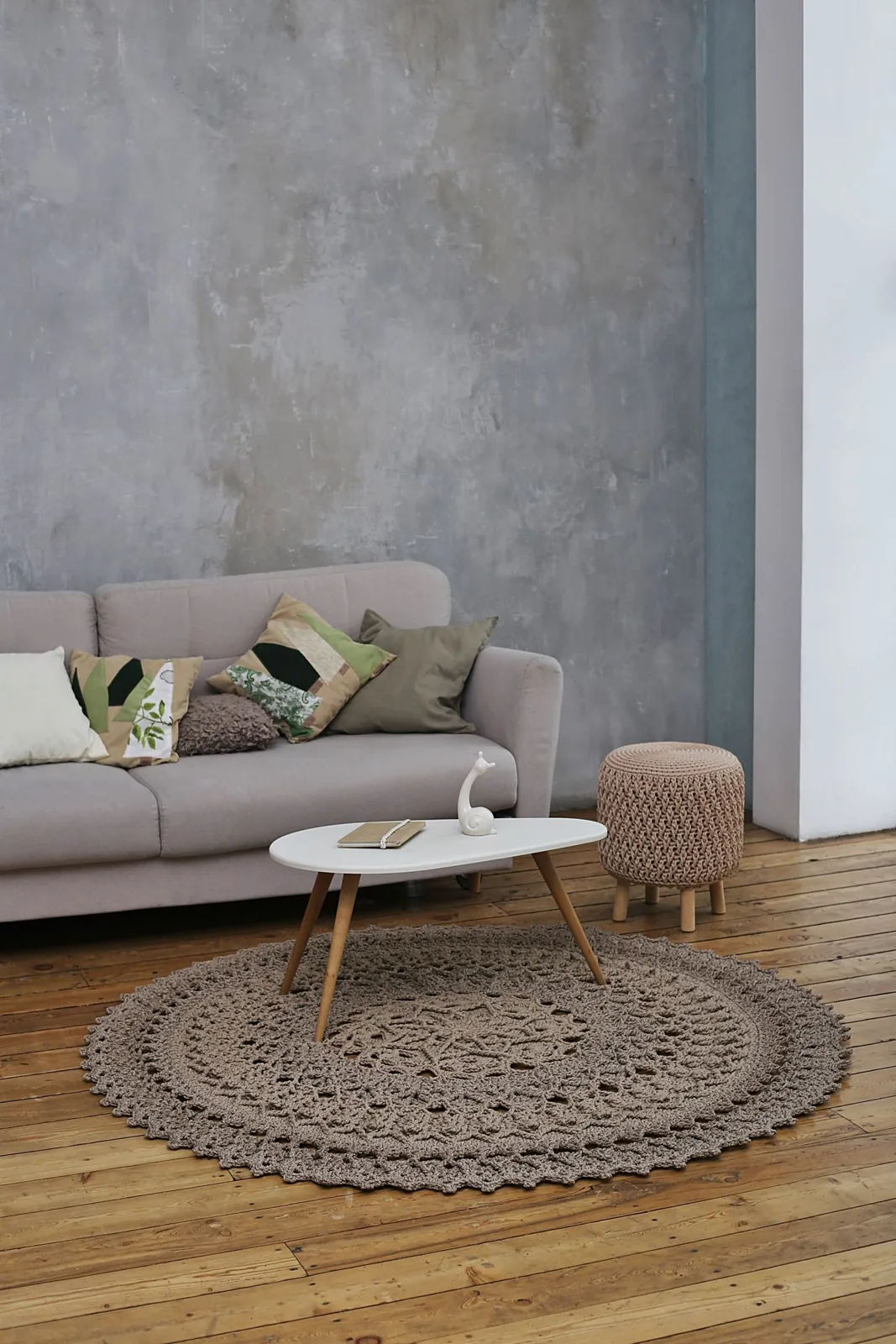
A round or oval top removes projecting corners, but still occupies its full diameter or length. Mark that shape rather than assuming it automatically creates more room. Rectangular tables can relate neatly to a long sofa, while smaller separate tables offer flexibility if they can be moved and stored sensibly. Every option has a footprint in use.
Look beneath the top as well. Wide bases, crossbars and splayed legs may occupy space your feet need, even when the upper surface seems compact. Check stability and the manufacturer's use guidance. A coffee table is not additional seating or a step unless explicitly designed for that purpose, regardless of how substantial it appears.
Decide whether hidden storage will be used
A drawer can hold remote controls, while a shelf may suit books or a small basket. Check whether those spaces are accessible from the seats and whether they reduce legroom. Storage that requires lifting a heavy top or moving every object from the surface may not be convenient for frequently used items.
Check moving features separately
Lift-top mechanisms need particular attention to their operating space, stability and instructions. Consider who will use them and whether the raised position actually suits the intended activity. Do not let an extra feature distract from the table's ordinary closed form, which will occupy the room most of the time.
Choose a surface for real life
Read care information for the material and decide how you will protect it from heat, moisture and scratches. Glass, timber and coated surfaces each have different practical characteristics; none is maintenance-free in every household. Check delivery, assembly and return details before ordering. The right table should make sitting together easier, with a clear route around it and enough open surface to be useful without constant rearranging.
The most useful coffee table leaves room to move while keeping its surface comfortably reachable.
A Swishover guide · Practical ideas to adapt to your own home.
Spotted something we should improve?