Start with the seat
Look at the chair or sofa before choosing a cushion size. A deep sofa may benefit from support behind the back, while a compact armchair may have little room for a large cushion. Sit in the normal position and notice what is missing. Buying for a practical need gives the choice more direction than selecting a colour and hoping it improves comfort.
Measure the usable seat depth and width, and consider the number of cushions already present. More cushions are not always more inviting. If several must be moved to the floor before anyone can sit, the arrangement may need fewer pieces rather than new covers. Keep a clear place for any cushion that is occasionally moved aside.
Compare the shape and filling
A square cushion supports differently from a long narrow one. Try the shape where it will be used, especially if it is intended to improve back support. Fillings vary in firmness, recovery and care needs, so read the product description carefully. What feels pleasantly soft to one person may feel insufficiently supportive to another.
Check the relationship between the cover and insert dimensions. Follow the supplier's advice rather than assuming any similarly labelled size will produce the intended result. An overfilled cover can feel firm and strained, while a loose one may collapse. The right combination should suit both the fabric and the way the cushion will be handled.
Touch the cover, if possible
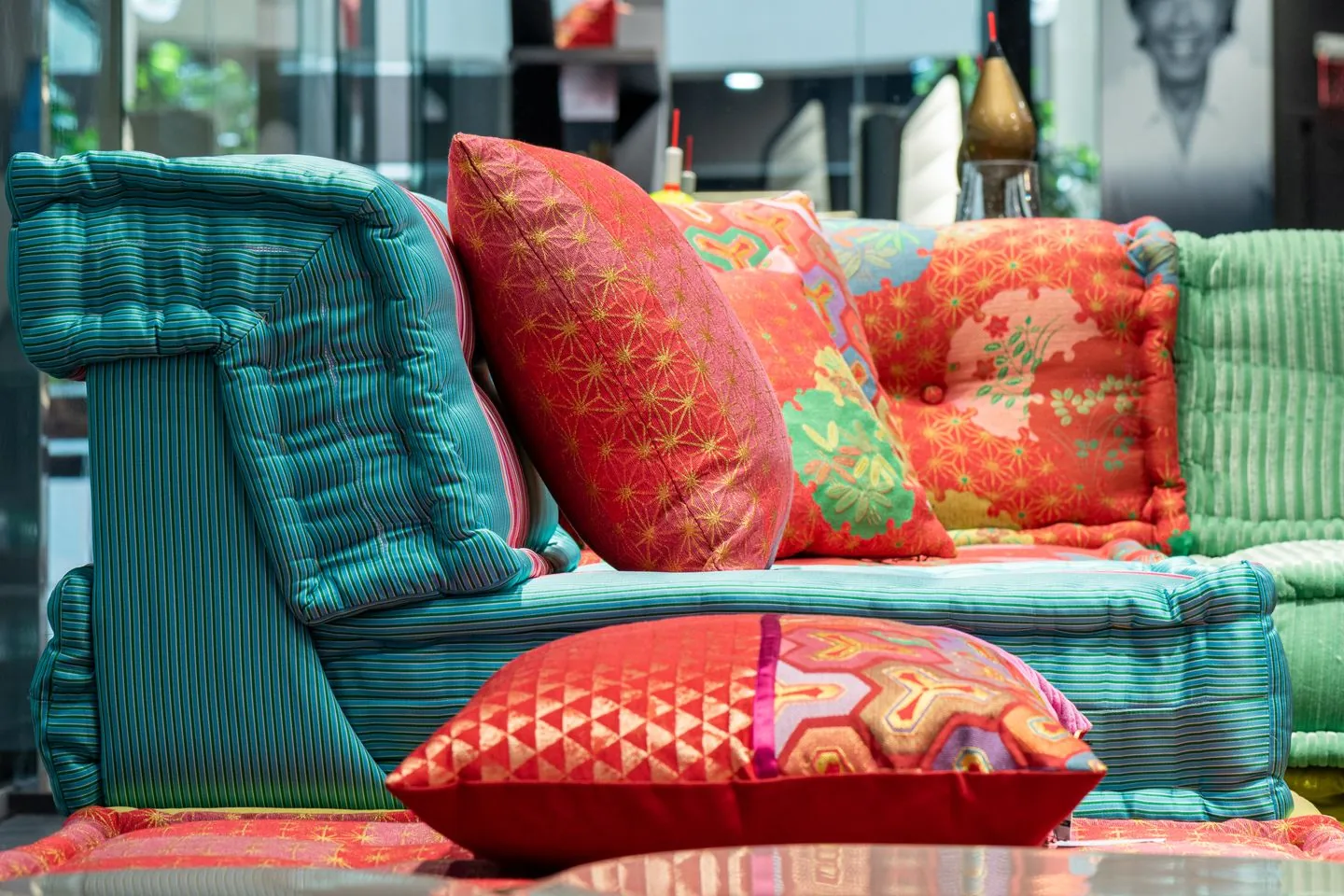
Texture matters when the cushion sits against an arm, neck or face. A coarse weave may look appealing but feel uncomfortable for the intended use. Decorative trims, beads or raised details can also affect comfort and cleaning. Choose those details with the actual sitting position in mind rather than judging only a front-facing photograph.
Read cleaning instructions and check whether the cover is removable. A zip does not necessarily mean the fabric can be machine washed. Consider pets, children and everyday spills, and choose maintenance that fits the household. A practical cover can still have character; it simply needs to survive the way the seat is used.
Let colour connect rather than dominate
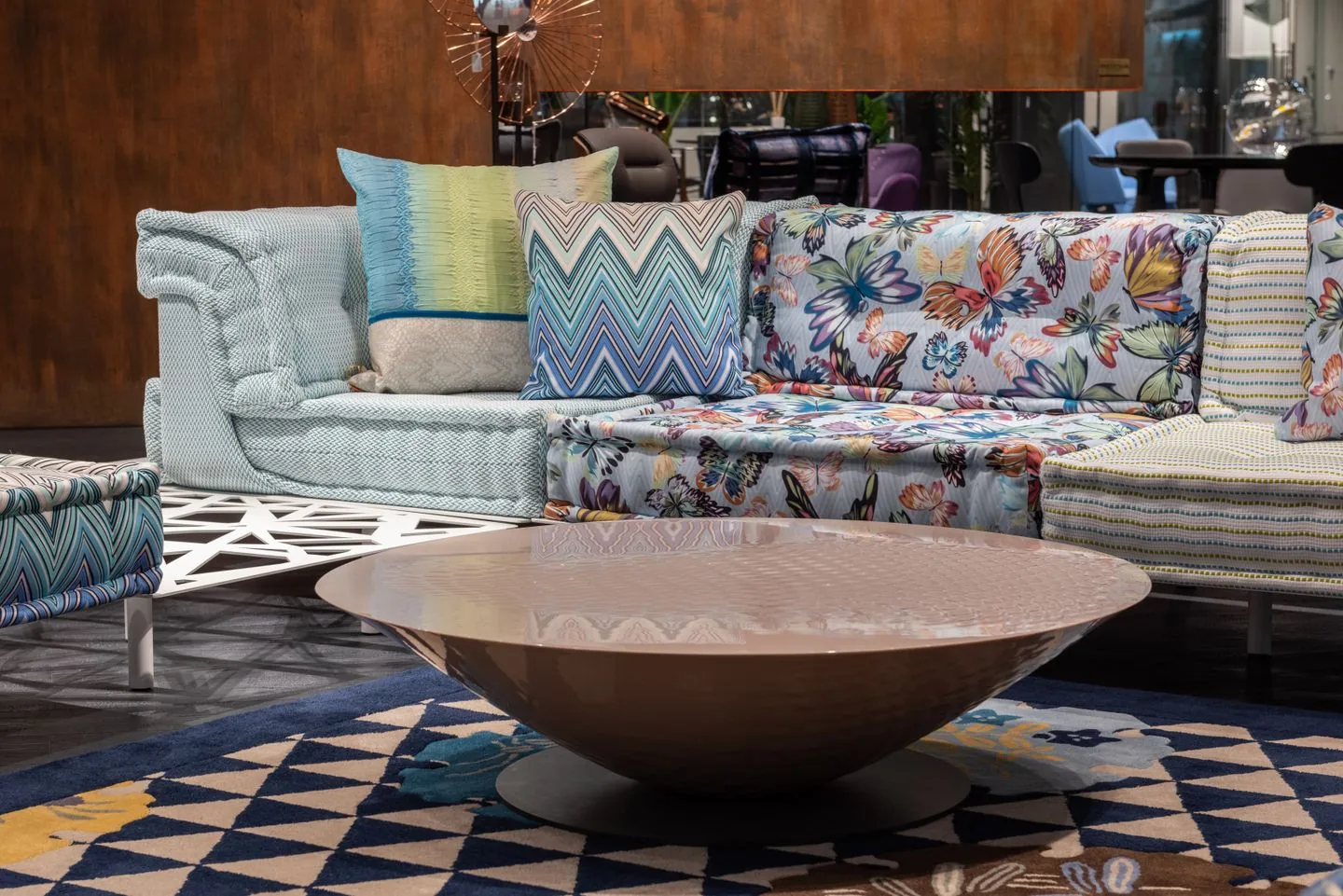
Take samples or colour references into the room's light where possible. A cushion can repeat a small colour from artwork or introduce a new tone, but it does not need to match every accessory. Pattern scale also matters. A broad design may become a focal point, while a small repeat can read more like texture from across the room.
If mixing cushions, vary them with a clear reason rather than adding every attractive option. Two different textures in related colours may provide enough interest. Leave some upholstery visible so the sofa or chair retains its own shape. The cushion arrangement should support the furniture rather than obscure it completely.
Check the everyday finish
Inspect seams and fastenings, and consider how easily the cushion can be reshaped or maintained according to its instructions. Keep any loose decorative elements away from unsuitable situations involving young children or pets. Review return conditions before purchasing, especially when feel is difficult to judge online. The best choice is a cushion that remains on the seat because people enjoy using it, with colour adding to that comfort rather than substituting for it.
A cushion should feel comfortable in use and leave enough room for the person sitting beside it.
A Swishover guide · Practical ideas to adapt to your own home.
Spotted something we should improve?