Notice the room's existing pattern
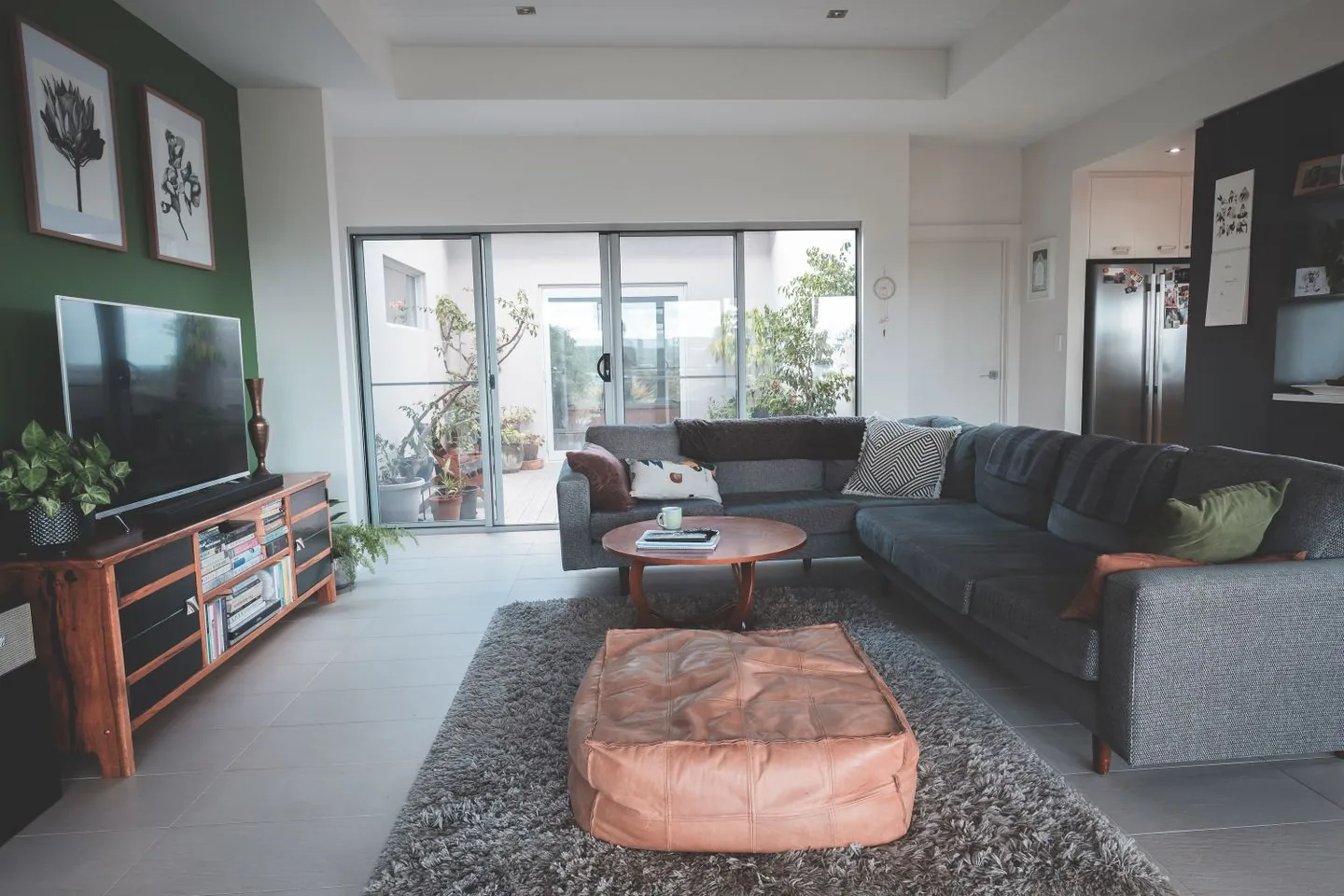
Rooms develop habits: similar colours, repeated materials and objects of roughly the same age or shape. Those habits create coherence, but they can also make a room feel slightly predictable. Look for the strongest pattern before choosing an unexpected detail. In a room full of straight lines, a rounded object may be enough; in a very pale room, one deep colour can have a similar effect.
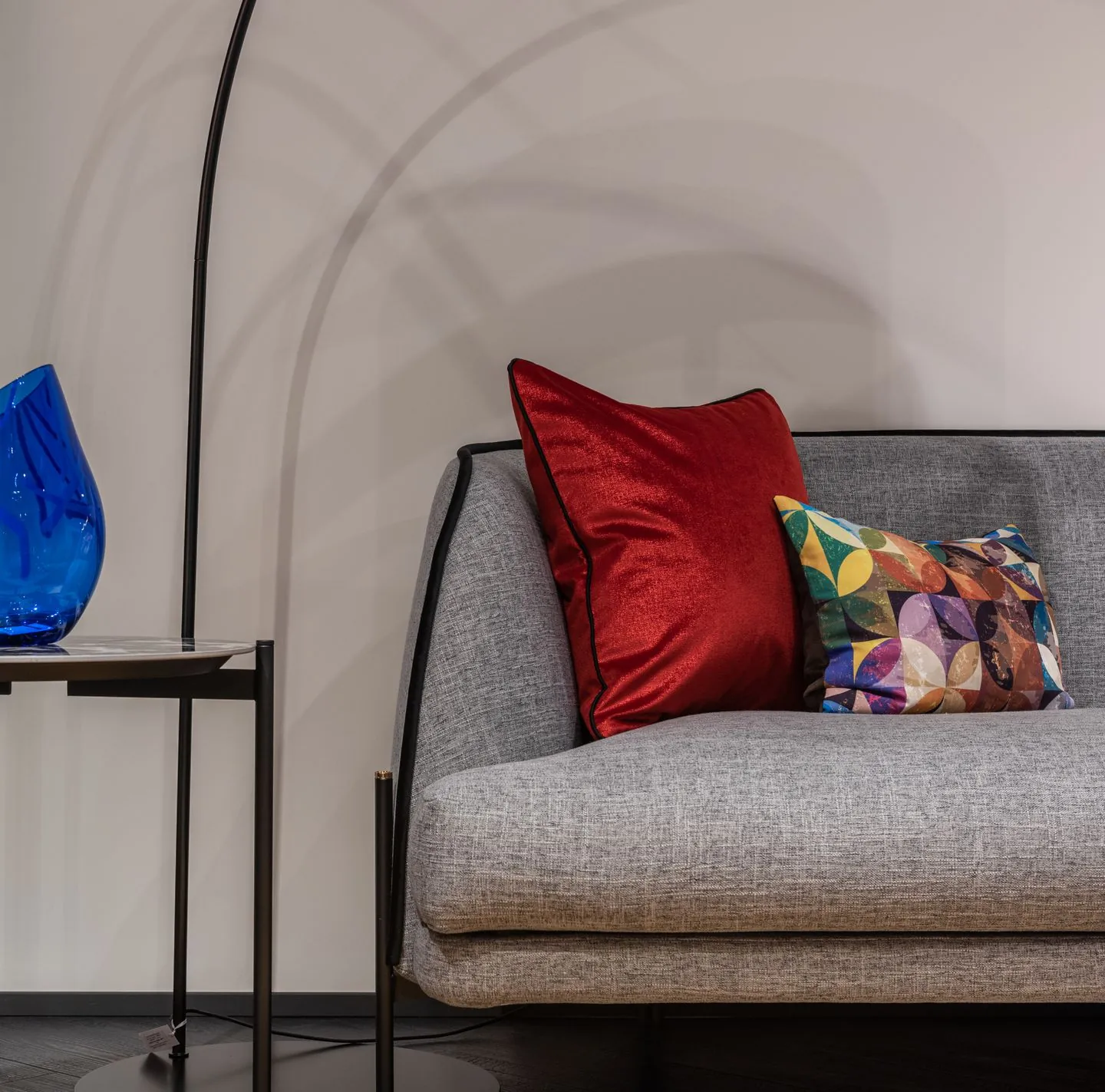
The change does not need to be dramatic. A playful print, a sculptural lamp or an unusually shaped bowl can provide interest without becoming the room's main subject. Choose something you genuinely like rather than something selected only because it is different. Novelty alone tends to wear thin when you see the object every day.
Keep one connection
An unexpected piece often settles more comfortably when it shares something with the room. Its colour might echo a small detail in a rug, or its timber could relate to a nearby table. The connection can be quiet enough that you notice it only after looking for a moment. It helps the object feel chosen rather than accidentally left behind.
Do not force a complete match. The point is to introduce a little difference, so let the piece keep its own outline or character. A modern print can sit beside older furniture without requiring every accessory to become modern too. Resist the urge to redesign the entire room around one interesting addition before you have lived with it.
Give it an ordinary job where possible
A distinctive jug used for serving water has a natural place on the table. An unusual lamp that provides comfortable light earns its space beside a chair. Useful objects can be especially satisfying because their character becomes part of daily life, rather than something viewed only from a distance. Check suitability, care instructions and practical dimensions as you would for any purchase.
Art and purely decorative pieces do not need an invented function. Their job can simply be to offer something enjoyable to look at. In that case, give them enough clear space to be seen properly. A small unusual object buried among many others may add clutter without providing the moment of interest you wanted.
Test the scale and position
Move the piece between a few plausible locations before settling on one. A bright object may feel lively on a sideboard but distracting beside the television. A strong picture can enliven a plain wall yet overwhelm a narrow corner. Judge from normal viewpoints and at the times when the room is used, not just from directly in front.
Keep the practical checks ordinary
Keep safety and maintenance ordinary. A heavy object needs a stable surface, artwork needs suitable fixings and a lamp needs the correct electrical specification. Do not accept an awkward or precarious arrangement because it looks visually striking. The detail should add pleasure to the room rather than requiring special care from everyone who enters it.
Stop at one for now
Leave the new detail in place for a while before looking for another. If it still catches your eye pleasantly after the first few days, it is probably doing enough. Some parts of the room can remain familiar and quiet. That contrast gives the unexpected piece its character and keeps the home feeling lived in rather than assembled around a succession of statements.
Choose an unexpected detail you enjoy, then make sure it still belongs to the way the room is used.
A Swishover guide · Practical ideas to adapt to your own home.
Spotted something we should improve?