Start with the bed you sleep in
Layered bedding looks most convincing when each layer has a reason to be there. Begin with the mattress size, the bedding already used and the temperature that feels comfortable to the sleeper. A fresh cover, a light blanket or a different pillowcase combination may provide enough change without adding weight. Keep the sheets and duvet or blanket appropriate to the person using the bed; a decorative scheme should not make sleep less comfortable. Check actual dimensions rather than relying only on size names, especially when combining pieces from different makers. The cover needs to fit the insert properly before any additional styling can help it sit well.
Build a simple colour relationship
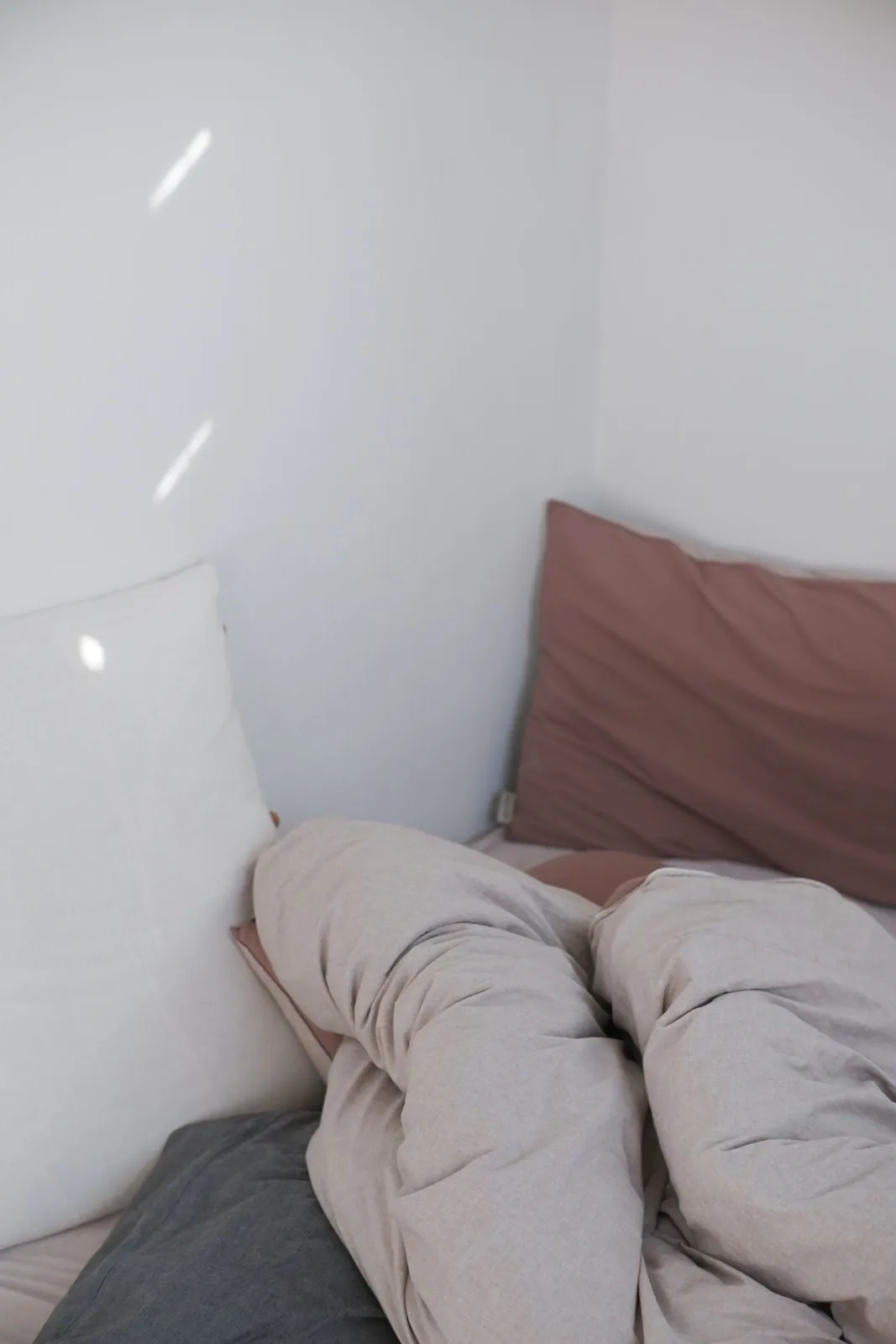
Choose a main colour for the largest visible area, usually the duvet cover or top blanket. Add a second related tone through pillowcases or a folded layer at the foot. A small pattern can provide detail, but the room's curtains, rug and headboard already contribute to the overall picture. Look at them together before introducing several new prints.
A quiet bed does not have to be entirely white. Soft colour differences and changes in texture can create depth without a high-contrast pattern. If the bedroom already has a strong feature, let the bedding support it. Reusing a colour from an existing object can make the update feel connected without requiring everything to match exactly.
Put texture where it can be felt
Consider how each fabric feels against skin and how it behaves during use. A textured cover or blanket can add interest, while sheets and pillowcases need to meet the sleeper's comfort preferences. Follow the care labels and be realistic about washing and drying. A beautiful layer that requires care the household cannot manage may spend more time stored away than on the bed.
Check whether different fabrics shrink, wrinkle or dry at different rates before treating them as one laundering group. Keep trims and delicate surfaces away from situations where they will regularly snag. Texture should bring a pleasant difference to the bed, not introduce a fragile object that makes ordinary handling feel cautious.
Add a foot layer with a job
A folded blanket or throw at the foot can introduce colour and provide extra warmth when needed. Choose a width that looks intentional on the bed and does not trail into the walking route. It can sit as a broad folded band or a looser layer, depending on its weight and the room's character. Avoid adding a bulky throw solely to recreate a photograph if it is always removed before anyone gets into bed.
Keep pillows manageable
Use sleeping pillows in the number and type that suit the person. Decorative cushions are optional. If adding them, keep the group small enough that removing it each night is easy and provide a suitable place to put it. A bedroom chair permanently buried beneath cushions is a sign that the arrangement may be too large for the room.
Test the morning routine
Make the bed using the proposed layers and time the process informally through a few normal mornings. It should be straightforward to pull the main cover into place and return the extra layer without precise folding. Store seasonal bedding clean and completely dry when it is not needed, rather than stacking every option on the bed. If the room feels crowded, remove one decorative layer before changing furniture. A useful bedding refresh changes colour and texture while preserving the simple pleasure of getting into a comfortable, ready bed.
Layer for comfort first, then use a restrained colour and texture mix that is easy to handle every day.
A Swishover guide · Practical ideas to adapt to your own home.
Spotted something we should improve?