Decide where the pattern belongs
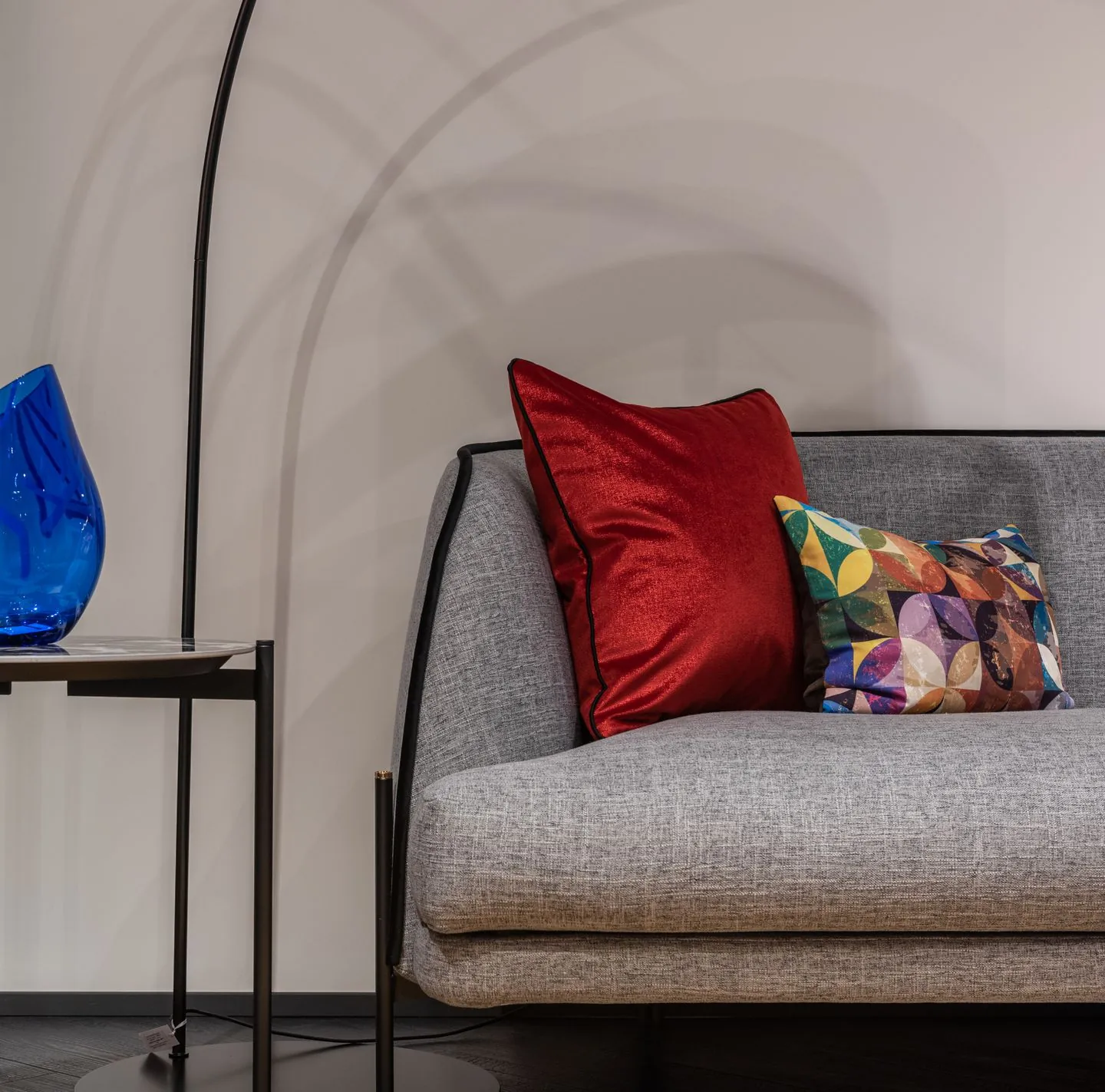
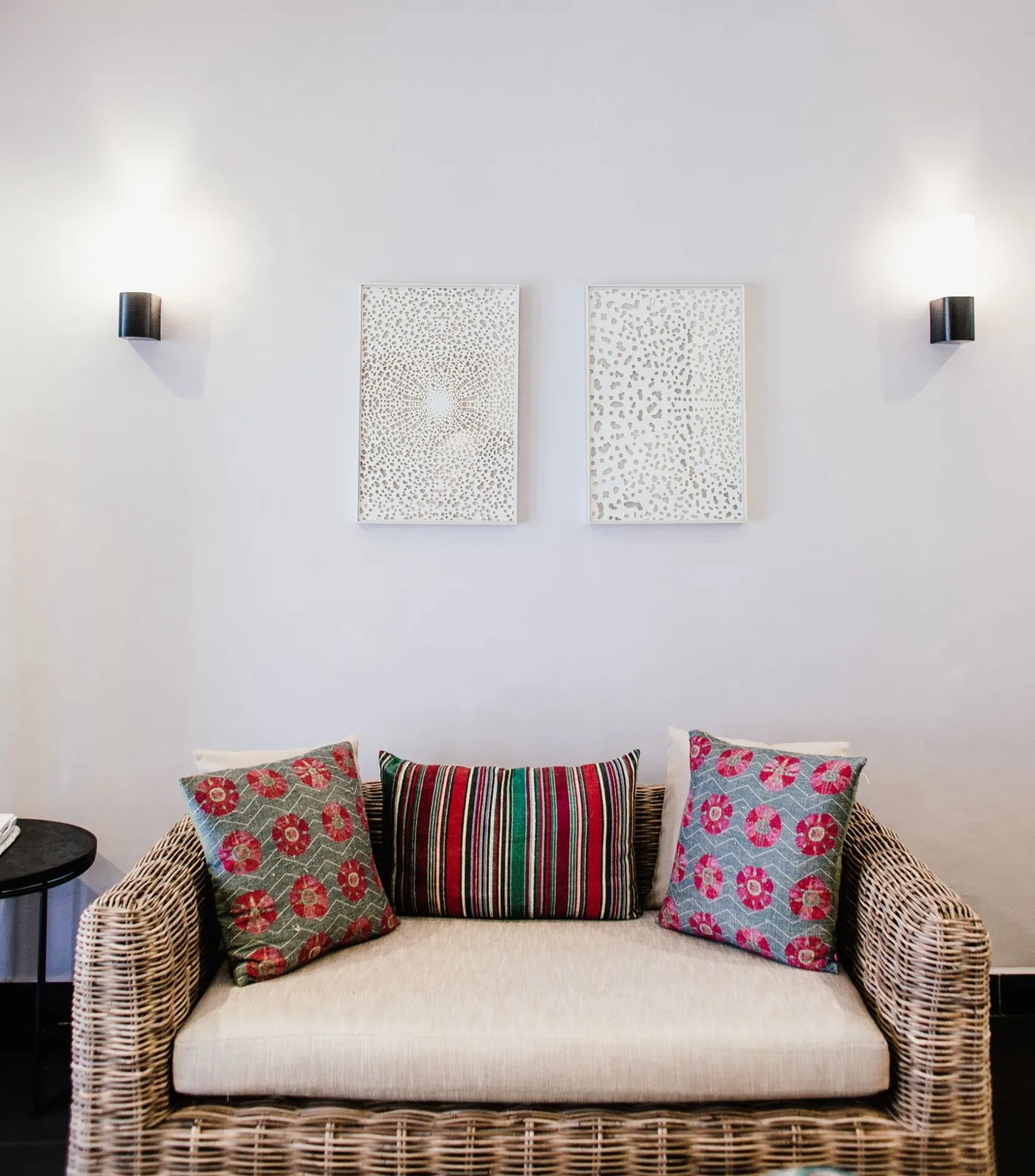
A quiet room does not necessarily need more colour, but one patterned textile can give the eye something interesting to follow. Begin with a useful item: a cushion for a chair, curtains for a window or a throw you actually use. Adding pattern through a practical piece is easier to live with than introducing several small accessories solely to fill space.
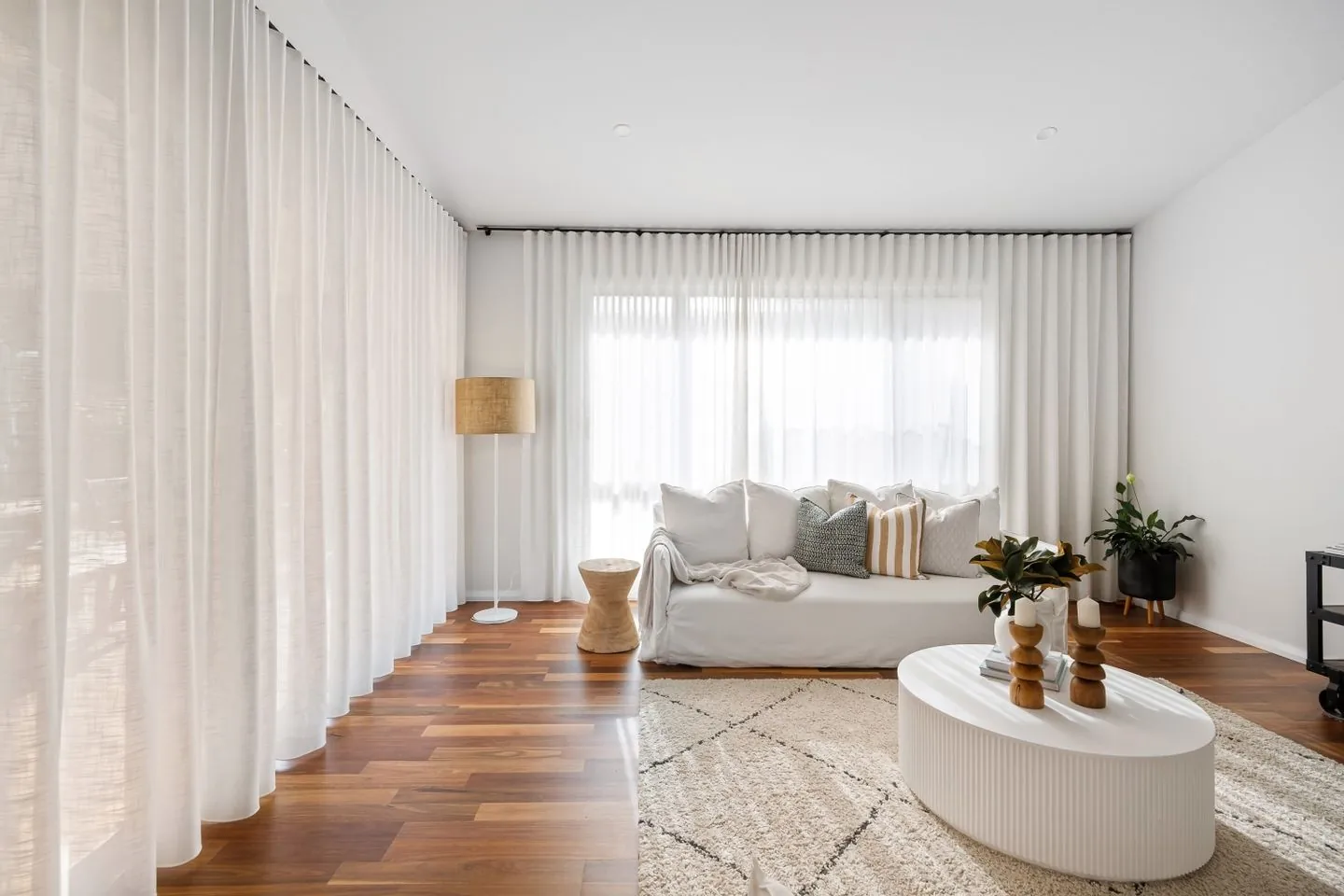
Look at the largest plain area and decide whether you want to interrupt it or leave it restful. A patterned cushion creates a small accent on a sofa; patterned curtains occupy a much larger part of the view. Neither is automatically better. Choose the amount of pattern that suits how you want the room to feel during ordinary use.
Compare the scale, not just the colours
A tiny print can look almost plain from across the room, while a broad stripe remains visible at a distance. Request a sample large enough to understand the repeat where possible. A small swatch may show attractive colours without revealing how a full curtain or cushion will look. Product photographs can help, but consider whether they show the same item size you intend to buy.
Place the sample near the furniture it will accompany and view it from the doorway. Then sit nearby and look again. The pattern should feel pleasant at both distances. If you enjoy the colours but find the movement too busy, try a larger, simpler design or use the fabric on a smaller piece rather than abandoning the idea entirely.
Borrow a colour from the room
An existing wall, rug or picture can provide the connection between the new textile and its surroundings. You do not need an exact colour match; a related tone is often enough. Let the remaining colours in the pattern bring a little difference. This avoids the feeling that every object has been purchased from a single coordinated display.
Keep nearby patterns in mind too. Timber grain, tiles and woven surfaces already contribute visual detail, even if they are not printed fabrics. A room with a strongly patterned floor may need less additional movement than it first appears. Leave some plain surfaces around the new textile so the design has space to be understood.
Check how the textile behaves
A beautiful fabric still needs to suit its role. Read care instructions, check the feel against skin and consider whether the weave catches easily. Curtain fabric needs appropriate lining and fixing for the intended result; a cushion cover needs a suitable fastening and insert. Pattern placement can also vary between individual items, especially with a large repeat.
For a washable piece, check the manufacturer's guidance on drying and any expected changes after laundering. Do not choose a high-maintenance textile for the busiest seat unless you are comfortable with that care. A practical fabric used confidently usually looks more natural than a delicate one constantly moved out of the way.
Add nothing else immediately
Let the patterned piece settle into the room for a few days. You may find it provides enough interest on its own. If another connection would help, repeat one colour in a small existing object rather than buying more matching fabric. The room can remain quiet overall while one useful textile gives it a little rhythm and individuality.
Choose the scale of the pattern from across the room, then check the fabric at close range.
A Swishover guide · Practical ideas to adapt to your own home.
Spotted something we should improve?