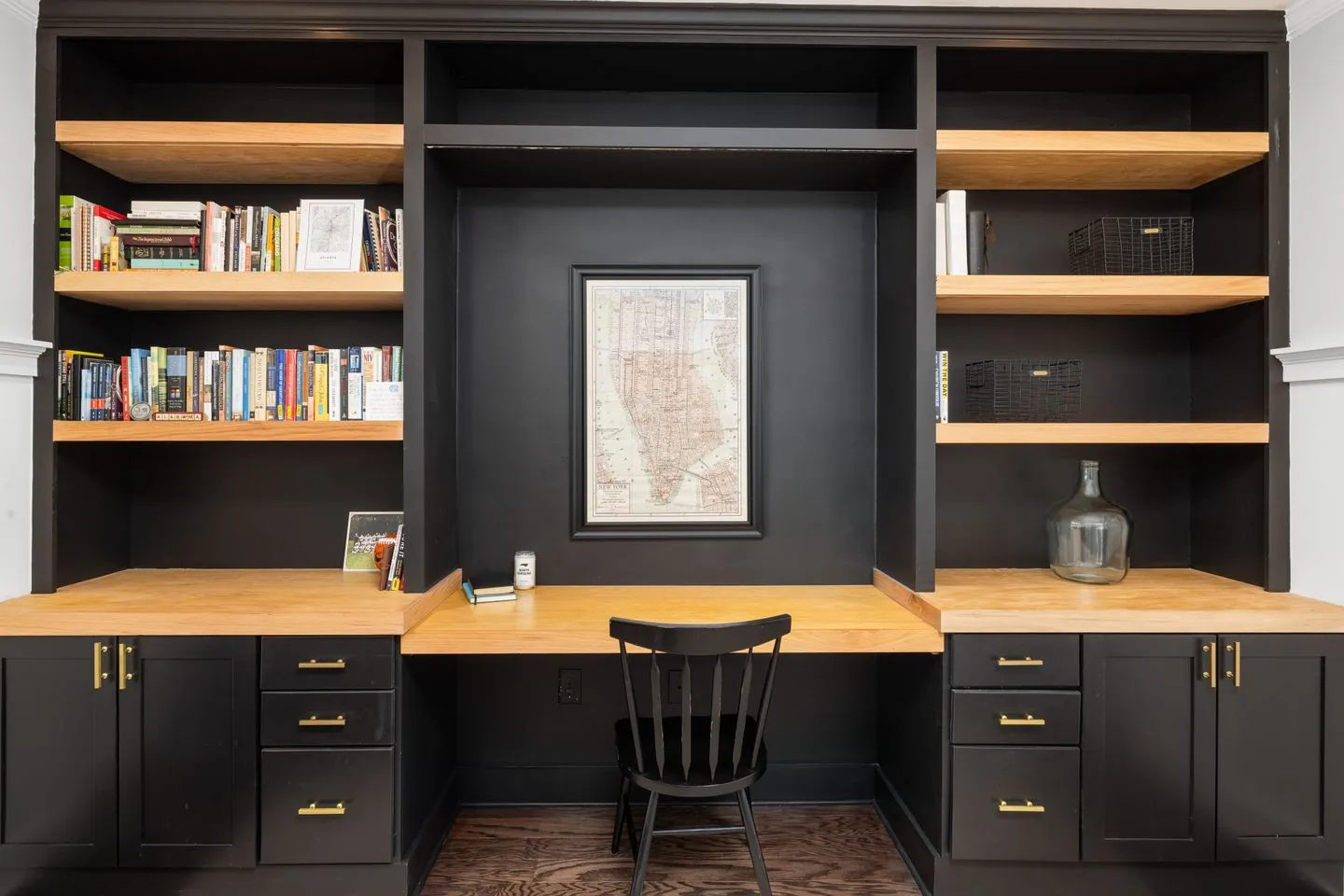
Define the room's ordinary life
A guest room spends much of its time without guests. Decide what it should do on those days: provide a workspace, hold sewing equipment or offer a quiet place to read. This regular use deserves proper consideration rather than being squeezed around a permanently dressed bed and a wardrobe full of spare bedding.
Then think about the visitors you actually host. One occasional adult, a couple staying for a week and grandchildren visiting frequently need different arrangements. Match the sleeping solution to that pattern. A sofa bed may be convenient for one household, while a conventional bed is more suitable for another.
Check the changeover in full
If the bed folds or extends, measure it in its sleeping position. Include the route to the door and the space needed to move around it. Try opening it without moving heavy furniture. A flexible room becomes much less flexible when every visit requires dismantling the desk or carrying a cabinet downstairs.
Store the items that move during changeover in an identified place. The desk chair might tuck into a corner, while craft supplies go into a cupboard. Avoid relying on the landing as temporary storage, particularly where it narrows a route. A short written checklist can help if the room is used by several people.
Give guests a little empty space
Visitors do not need an empty wardrobe, but they do need somewhere to put a bag and hang or fold a few clothes. Clear a section that remains genuinely available. A chair covered in your own laundry does not become guest storage simply because it stands next to the bed.
Provide a reachable surface for water, glasses and a phone. Check that a light can be switched off from the bed and that any charging arrangement does not require a cable across the floor. These small conveniences often matter more than decorative cushions that have nowhere to go at night.
Store bedding where it stays usable
Keep guest bedding clean, dry and together. A labelled shelf or breathable storage bag can save searching through several cupboards when someone arrives late. Make sure bedding is fully dry before it is stored, and choose storage that suits the available space rather than compressing everything into a difficult bundle.
If the room doubles as a workspace, leave a clear distinction between visitor supplies and work materials. Guests should not have to move confidential paperwork to reach a towel. Similarly, avoid using the guest pillow or folded duvet as a temporary resting place for equipment between visits.
Rehearse an overnight stay
Spend a few minutes using the room as a visitor would. Close the curtains, lie down, reach for the lamp and find the route to the bathroom in low light. Listen for any equipment that runs overnight. You may notice a bright standby light or a curtain gap that is easy to fix before a guest points it out.
After the visit, restore the room's everyday purpose promptly. Put away bedding and return the work or hobby setup rather than leaving the room halfway between uses. A successful guest room is welcoming when needed and useful when empty, with neither role feeling like an inconvenience imposed on the other.
Keep the guest setup simple to prepare and easy to reverse.
A Swishover guide · Practical ideas to adapt to your own home.
Spotted something we should improve?