Choose the kind of breakfast you actually eat
A quick coffee and toast need a different surface from a leisurely meal with newspapers, fruit and several dishes. Think about the ordinary morning rather than an occasional weekend spread. The right setup should make that routine easier without taking away essential preparation space.
If one person sits while the other cooks, consider where conversation happens naturally. A small table beside the kitchen may work better than stools facing a wall. In a very compact room, a suitable folding surface might help, but only if opening and closing it is simple enough to become part of daily use.
Check the space around occupied seats
Mark the proposed table or breakfast bar, then sit in the position the chairs or stools would occupy. Can another person reach the fridge, open a cupboard and carry a hot drink past? Check both seats separately. The one nearest a corner often has less room than it appears to have in an empty layout.
Pay attention to knees and feet. A deep apron, table leg or storage unit beneath the surface can make a compact arrangement uncomfortable. For stools, the seat height and foot support need to suit the counter and the user. Follow the furniture dimensions rather than assuming any stool labelled for kitchen use will fit any worktop.
Keep the surface free enough to eat
A breakfast corner often becomes a landing place for post, keys and chargers. Give those items somewhere else before introducing more storage onto the table. If every breakfast starts with moving yesterday's paperwork, the area is not yet doing its job.
Keep only a few relevant items nearby, such as coasters or napkins. Coffee equipment should stand where it can be used safely and conveniently according to its instructions, not squeezed onto a small eating surface for visual effect. Allow proper space for preparation, cleaning and cable management around appliances.
Make the seats worth using
Backless stools can tuck away neatly, but they may not suit someone who wants support or spends longer at the counter. Try the seating position before choosing on appearance. A conventional chair can be more comfortable, even if it requires a little more planning around the table.
Consider how the seats move on the floor and whether they are easy for their users to handle. Heavy stools that must be dragged out of a tight gap can become irritating. Suitable floor protection may reduce marking, but it should not make the seat unstable or interfere with its intended use.
Give the corner its own morning atmosphere
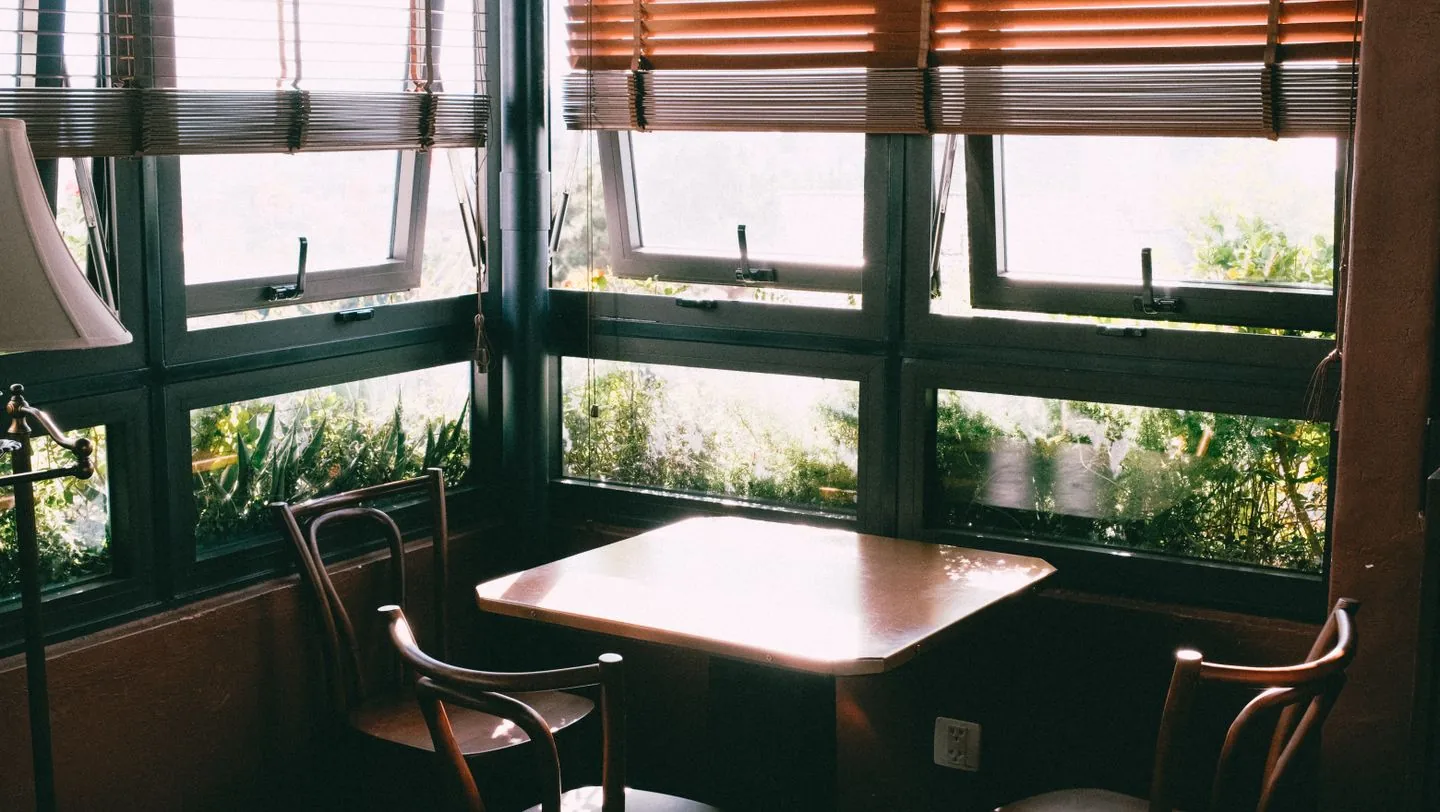
Natural light can make breakfast pleasant, provided glare and temperature remain comfortable. If the spot is dim, an appropriate nearby light may help more than decorative accessories. Keep loose fabrics and objects away from cooking areas and maintain clear access to switches and outlets.
Use the setup for several ordinary mornings before adding finishing touches. Put out the actual mugs, plates and food, and notice where elbows and serving dishes compete. A modest breakfast place feels generous when its essentials fit comfortably. Once it works for both people and the surrounding kitchen, a small print or a favourite colour can supply all the personality it needs.
Test the seats while someone else uses the kitchen before committing to a table or stools.
A Swishover guide · Practical ideas to adapt to your own home.
Spotted something we should improve?