Find the pause you already take
A quiet cup of tea might happen after lunch, between tasks or before the rest of the household wakes. Notice where you naturally sit at that time. The most useful improvement may be a side table beside an existing chair, not a new arrangement elsewhere. A corner that looks peaceful but lies far from the daily routine may remain unused.
Consider who else uses the room and what is happening nearby. Quiet does not have to mean silence, but the seat should allow a little comfort without obstructing someone preparing food or working. If the available space is shared, choose a time or position that fits those activities rather than trying to reserve a whole area permanently.
Give the cup a stable home
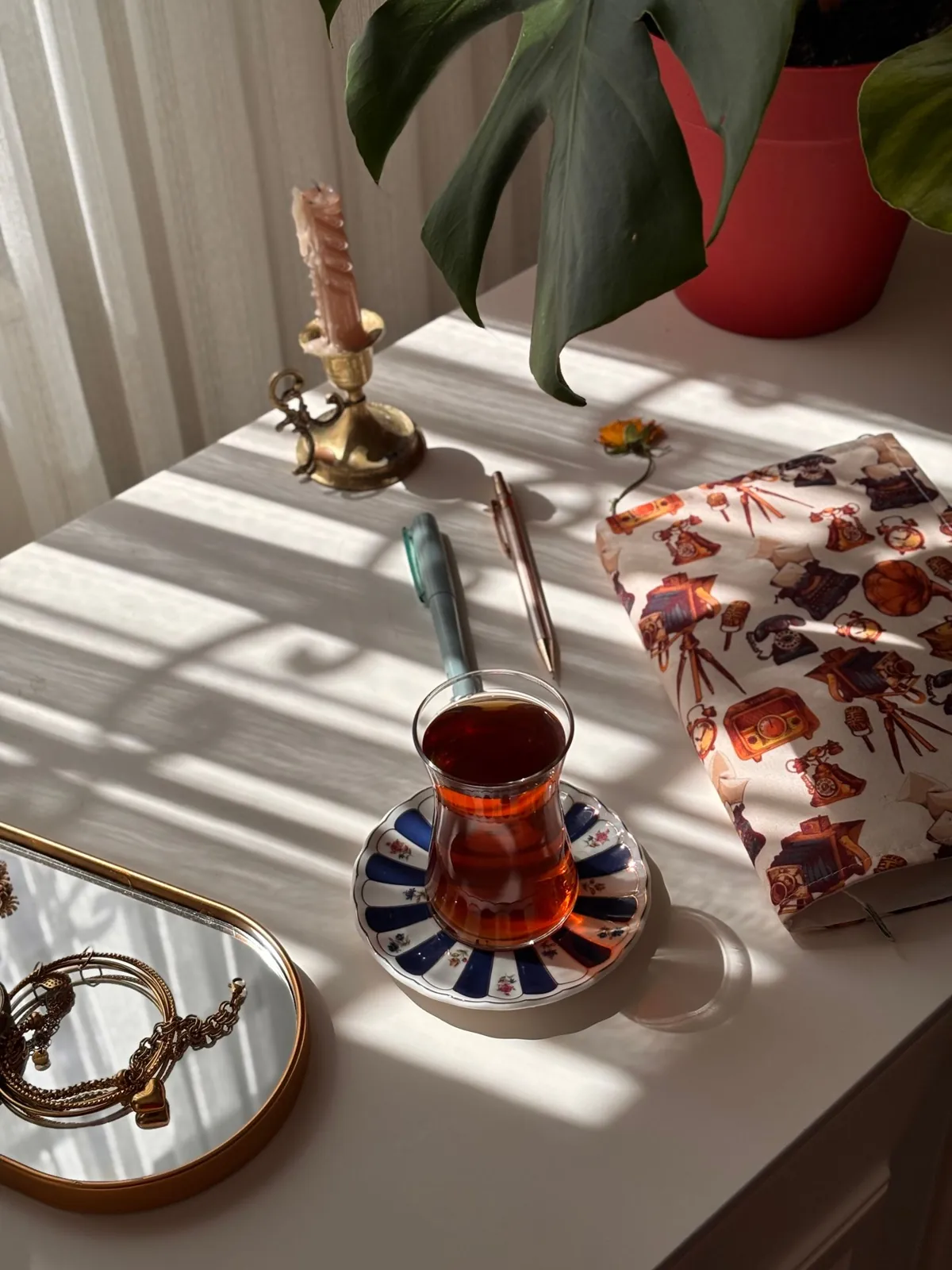
Use a surface close enough to reach without leaning awkwardly. Check that it is stable, level and suitable for a hot drink with appropriate protection. A narrow stool or upholstered surface is not automatically a safe substitute for a table. If using a tray on furniture, make sure the arrangement remains steady and is designed to support that use.
Leave the surface clear enough that putting down the cup is effortless. A vase, candle and stack of books may fill a small table completely. Keep only what contributes to the pause and store the rest elsewhere. The practical room for the cup is more important than making the tabletop look finished when nobody is sitting there.
Check how the seat feels
Sit for a few minutes with your feet in their natural position. A chair that is attractive but too deep may need suitable support, while a low seat might be difficult to get out of comfortably. Use a cushion only if it improves the seat rather than pushing you towards the edge. Comfort should not depend on balancing several loose layers.
Look at the immediate surroundings. A clear view of a window, a favourite picture or a plant can be pleasant, but avoid direct glare or an uncomfortable draught. Move portable objects if they interfere. A small adjustment in the chair's angle may change the experience more than adding a decorative item to the corner.
Keep preparation uncomplicated
The tea itself can remain entirely ordinary. Use the equipment and method you prefer, following the appliance and product directions. Do not feel obliged to buy special cups or build a dedicated tea station to justify a short break. A clean mug and an easy route from the kitchen may be all the setup requires.
Carry hot drinks carefully, using a suitable manageable tray if helpful, and keep them away from edges or places where children or pets could knock them. Avoid threading the route through bags or temporary storage. A restful seat loses its appeal if reaching it involves navigating an obstacle course with a full cup.
Let the corner stay available
Return the cup to the kitchen when finished and leave the surface ready for next time. If you keep a book nearby, make it one you want to read rather than another pile to manage. The value of the arrangement lies in its availability: a familiar, comfortable place where a brief ordinary pause does not require a fresh round of clearing and arranging.
Choose a place that is convenient enough to use, rather than a corner that needs preparing each time.
A Swishover guide · Practical ideas to adapt to your own home.
Spotted something we should improve?