Clear somewhere for the guest to arrive
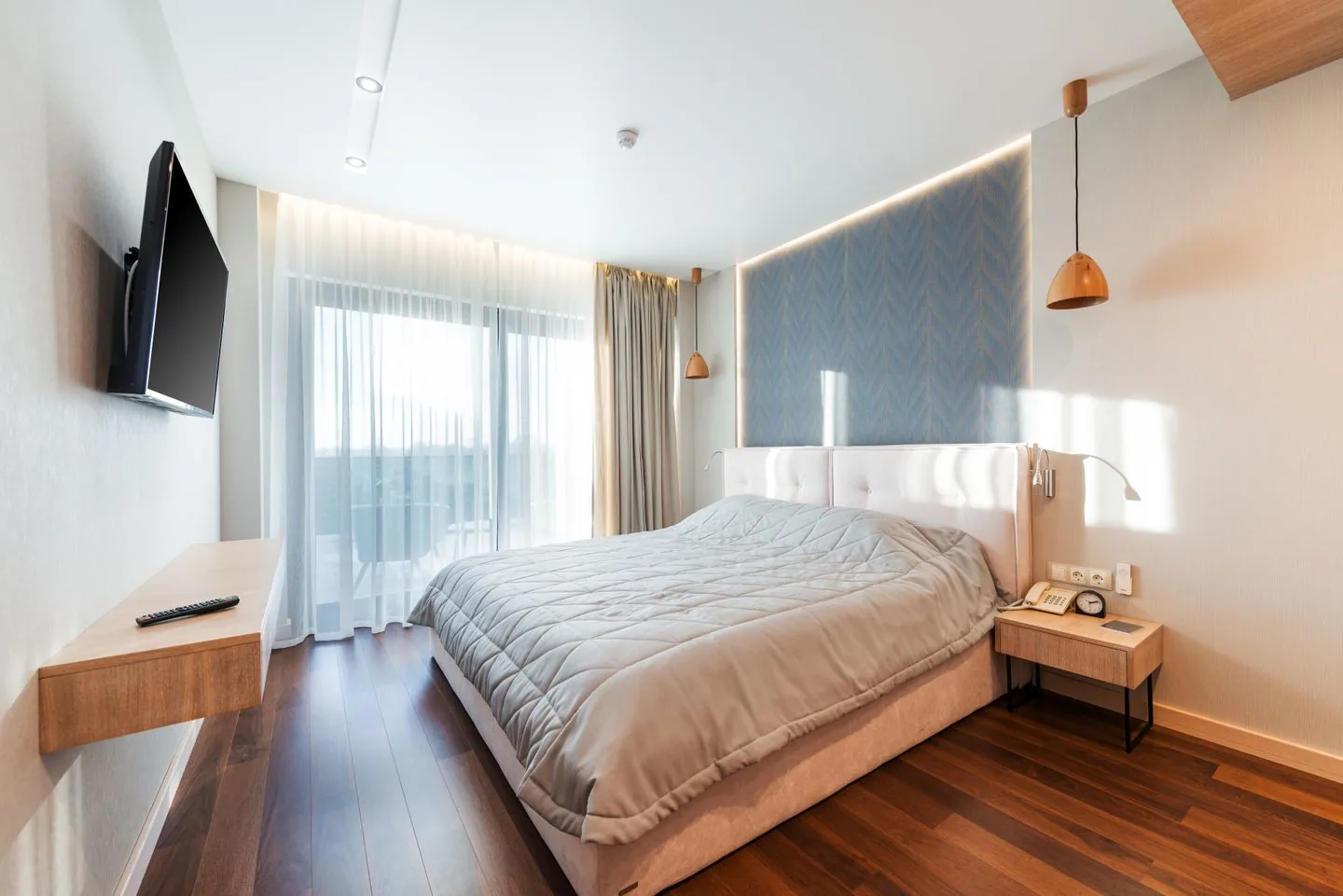
Visitors need a place for a bag and a few belongings before they need flowers or folded decorations. Clear a suitable surface, drawer or section of hanging space. If the room usually serves another purpose, store household items properly rather than piling them behind the door. Leave a clear route around the bed and to the window or bathroom.
For a temporary sleeping arrangement, check the bed or sofa bed according to its instructions. Make sure it opens fully and sits securely, and that nearby furniture does not obstruct getting in or out. A trial setup before the guest arrives gives you time to discover an awkward gap or missing bedding without making the welcome feel hurried.
Make the bed straightforward
Use clean bedding suitable for the bed and the likely conditions, with an extra layer available if needed. Guests differ in how warm they prefer to sleep, so a removable blanket can be more useful than a heavily styled bed. Keep spare bedding clean and dry, and explain where it is rather than expecting the visitor to search through cupboards.
Avoid filling the bed with cushions that have nowhere to go at night. A chair may look like a convenient destination, but the guest might need it for clothing or sitting. Leave the room with enough spare capacity to work once someone is actually using it. Comfort is easier when every item does not require moving another first.
Check light, privacy and charging
Test the main light and any bedside lamp. Make controls easy to find and explain unusual switches. Check that curtains or blinds operate properly and provide the intended privacy. If morning light is strong, mention that rather than promising darkness the room cannot offer. A comfortable stay depends partly on knowing how the room works.
Leave a suitable socket accessible where possible, keeping electrical arrangements within their safe intended use. Do not add a tangle of extension leads to create bedside charging. A clear nearby charging location may be adequate. Keep water and electrical items separated and ensure no cable crosses the route a guest might use at night.
Provide the bathroom basics
Offer clean towels and show the guest where to put them after use. If the bathroom is shared, explain any practical routine, such as where personal items can sit or how the shower controls operate. A little clear shelf space is often more helpful than a basket of unfamiliar products. Keep household medicines and private items appropriately stored.
Ask about the details that matter
Ask about particular needs when appropriate rather than assuming a standard set of extras suits everyone. Fragrance, bedding preferences or access requirements can matter more than decorative touches. Keep the conversation simple and welcoming. You do not need to imitate a hotel to make someone comfortable in a real home.
Walk through the evening
Imagine arriving tired, placing a bag down, changing for bed and finding the bathroom after dark. Notice anything that would require asking for help or moving furniture. Share essential information such as access arrangements and the Wi-Fi details you choose to provide. Then leave the guest some space to settle. A room feels prepared when ordinary actions are easy and the visitor can use it without wondering which belongings they are allowed to move.
Prepare for the guest’s ordinary needs before adding decorative extras.
A Swishover guide · Practical ideas to adapt to your own home.
Spotted something we should improve?