Choose a genuine change of position
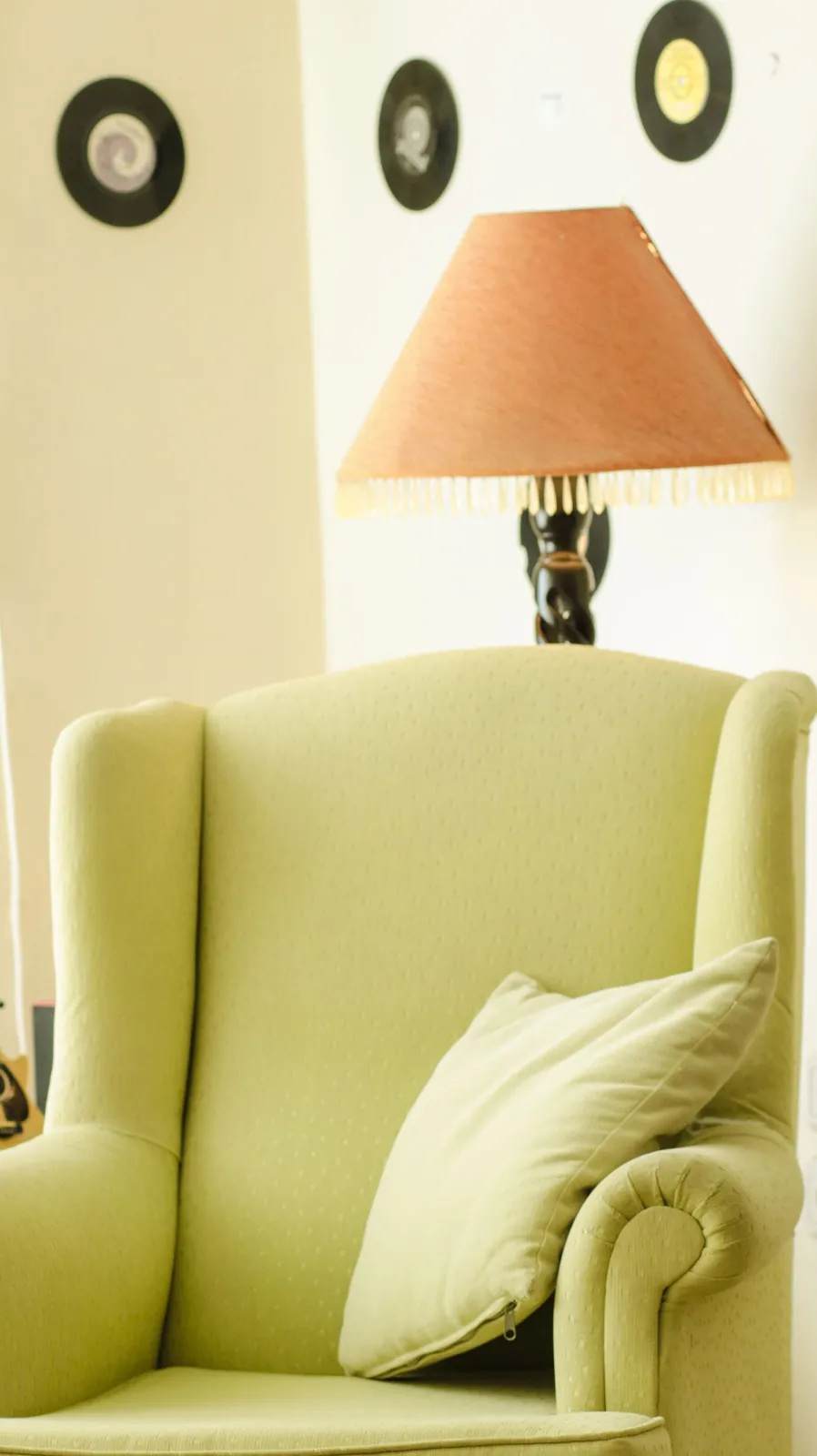
An evening corner does not require a spare room. It may be a chair facing a window instead of a desk, or one end of a sofa with a useful lamp. What matters is that sitting there feels different from continuing the working day. Choose a place you already find comfortable rather than buying a chair to fill a theoretically peaceful corner.
Look at the view from the seat. If the open laptop and unfinished paperwork dominate it, a small change of angle may help. Do not compromise the room's circulation or block a window to hide the desk. Sometimes simply closing the computer and putting papers into a proper tray provides enough separation without any furniture movement.
Decide what the corner is for
Reading, listening to music, knitting or having a quiet drink each asks for slightly different support. Choose one or two likely activities and place what they need within easy reach. A current book and a small side table may be enough. Stocking the corner for every possible hobby can turn it into another storage area before it becomes a place to rest.
Keep the choice personal and modest. There is no requirement to make the space look like a wellness routine or to use it for a set amount of time. It should invite a pause, not become another task to perform correctly. The most useful arrangement is often the one you naturally settle into without preparing it first.
Change the light gently
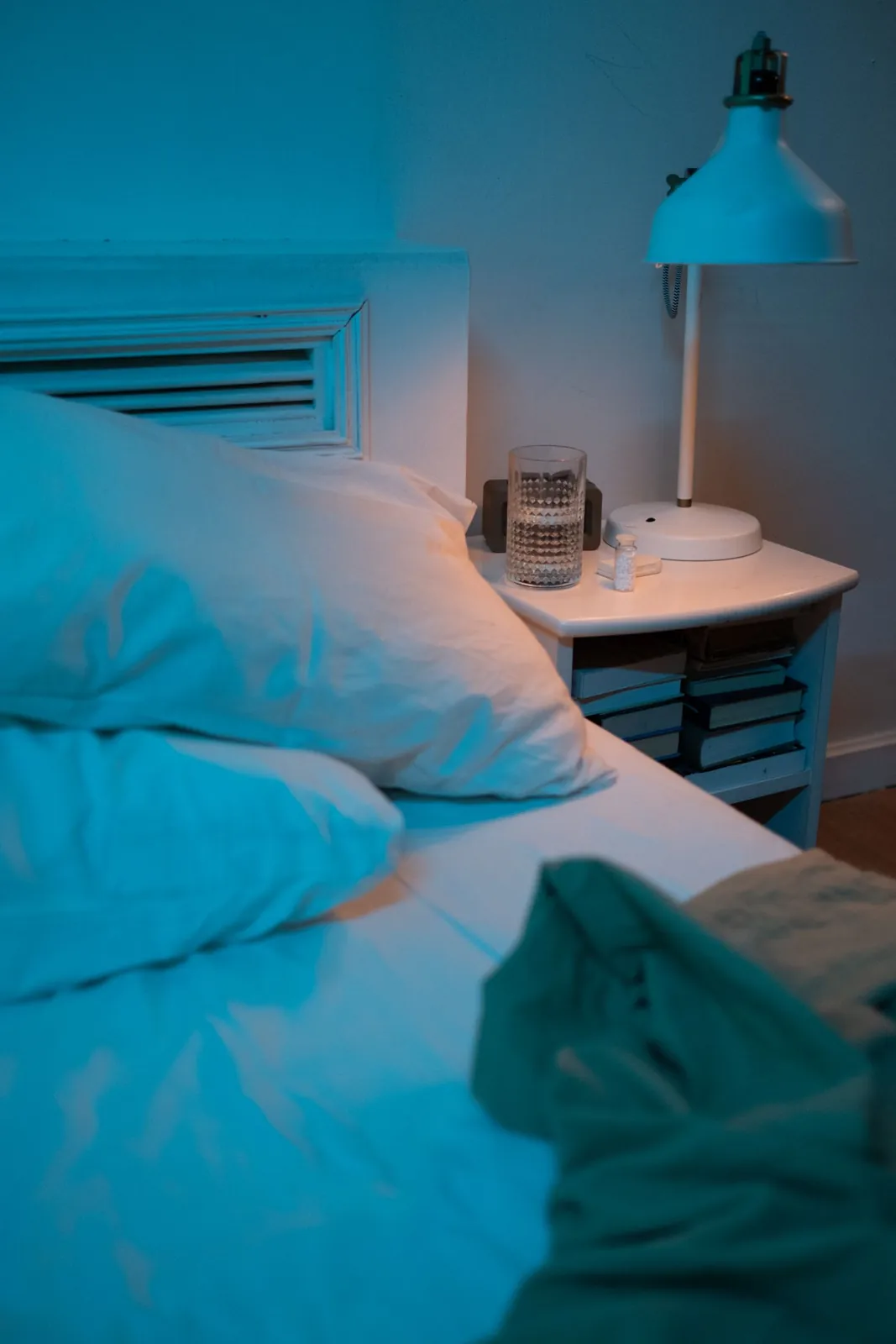
Try a lamp that gives comfortable light for the chosen activity. A reading position needs enough light on the page without glare, while quiet conversation may suit a softer combination. Test it in the evening, when reflections and shadows differ from daylight. Follow fitting and bulb specifications and keep cables safely away from the route to the chair.
You may not need a new lamp. Moving an existing portable light can help the room shift from work to evening use. Keep any desk lighting suitable for the people still working nearby, particularly in a shared home. A separate corner should coexist with other routines rather than requiring the whole room to change at once.
Give work belongings a closing place
Before settling into the corner, put work items somewhere deliberate. A closed drawer, a lidded box or a clear section of shelving can hold the essentials until the next day. Avoid piling them behind the chair, where they remain visually present and may obstruct movement. Keep sensitive papers and equipment stored appropriately.
If work must stay set up, a tidy boundary may be enough: papers together, screen off and cables controlled. The aim is not to pretend the room has no work function. It is to make the transition visible and practical so the evening seat does not become an overflow desk for messages, forms and unfinished decisions.
Keep the invitation simple
Leave a little clear surface for a cup and enough room to sit without moving cushions or baskets. Put away hobby materials when they are no longer in use, but keep the current activity easy to retrieve. After a few evenings, notice what you actually reach for. Remove the imagined essentials that never get used and let the corner develop around the kind of rest you enjoy.
Make the corner easy to enter and free from the equipment that keeps pulling attention back to work.
A Swishover guide · Practical ideas to adapt to your own home.
Spotted something we should improve?