Discuss the awkward moments
A small shared home does not need identical habits from everyone, but it does need agreement about the points where those habits collide. Start with actual examples: a blocked bathroom shelf, a work call during dinner or shoes covering the entrance. Describe the difficulty without turning it into a judgement about the person responsible. A specific problem is easier to solve than a general complaint about tidiness.
Choose one or two changes to try first. Reorganising every room at once can make the household feel as though it has acquired a complicated rulebook. A clear place for bags or an agreed table-clearing time may remove more friction than a complete new storage system. Review the arrangement together after it has been used for a while.
Separate personal and shared storage
Everyone benefits from knowing which space is theirs and which is available to all. This might mean a drawer each, labelled bathroom baskets or distinct sections of a wardrobe. The division need not be mathematically equal if needs differ, but it should be understood and agreed. Avoid quietly expanding into someone else's space when your own becomes full.
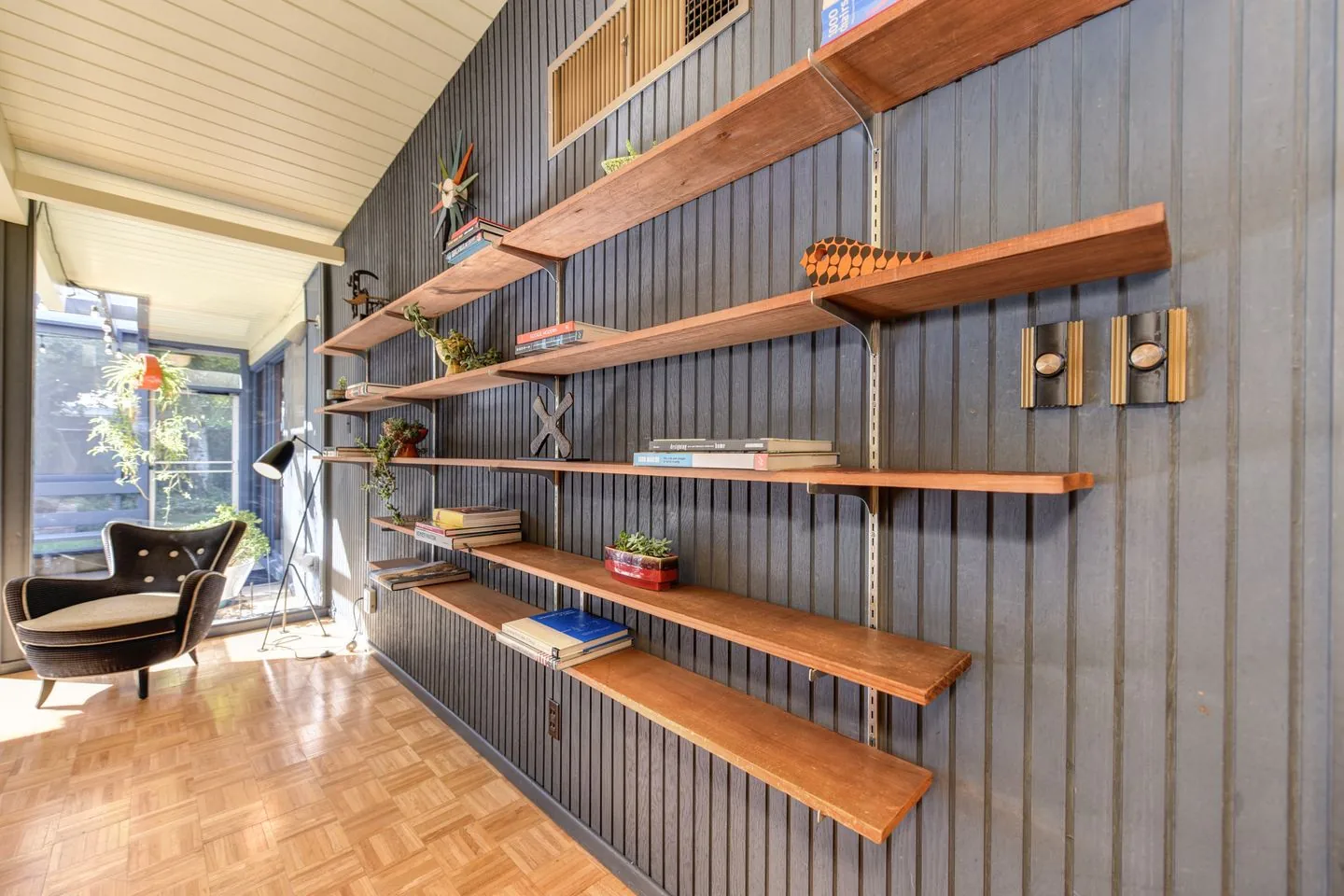
Shared items also need obvious homes. Cleaning supplies, spare bulbs or household paperwork should not depend on one person knowing where they were last moved. Store them appropriately and safely, with simple labels if useful. A system is working when another household member can find and return something without asking for instructions.
Leave some surfaces unassigned
It is tempting to give every corner a storage function in a small home. Keep a little clear surface available for temporary use, such as sorting post or setting down shopping. Without that breathing room, the next ordinary task displaces an existing arrangement. Empty space is useful capacity, not evidence that the room needs another object.
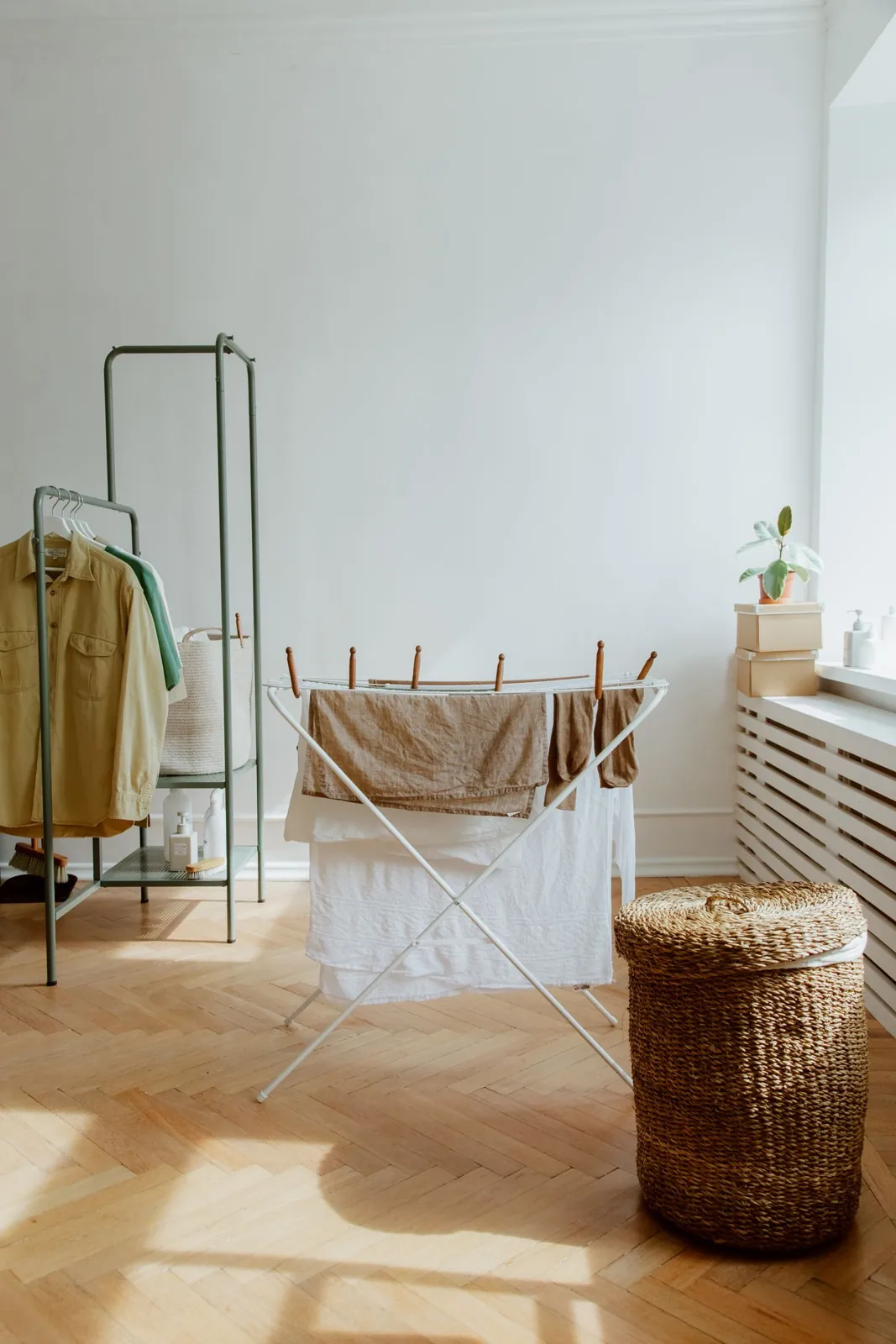
The same applies to walking routes and doors. Check the home when chairs are pulled out, drawers are open and laundry is in progress. Furniture that technically fits may still create conflict during normal use. Choose a layout that supports the busiest moments rather than one that works only when everything is neatly closed.
Make changing activities straightforward
A dining table used for work needs somewhere for work materials to pause. A living room used for exercise needs movable items that can be shifted safely. Keep each activity's equipment together where possible, so changing the room takes a few understandable actions rather than a full reorganisation. Agree when those changes need to happen if routines overlap.
Sound and privacy deserve attention too. Discuss calls, music and quiet time realistically, using headphones or separate schedules where appropriate. Furniture alone cannot resolve every difference. A short conversation about an upcoming meeting or an early night can be more effective than trying to create a permanently isolated corner in a room that must remain shared.
Keep the arrangement adjustable
Review what still causes searching, moving or resentment. A basket that always overflows may be too small, while a beautifully organised cupboard may be inconveniently located. Change the system before assuming people simply need to try harder. A comfortable shared home grows from a few fair, practical agreements that can change with work, visitors and daily life.
Shared space feels easier when belongings and activities have understandable boundaries.
A Swishover guide · Practical ideas to adapt to your own home.
Spotted something we should improve?