Put the current book where reading happens
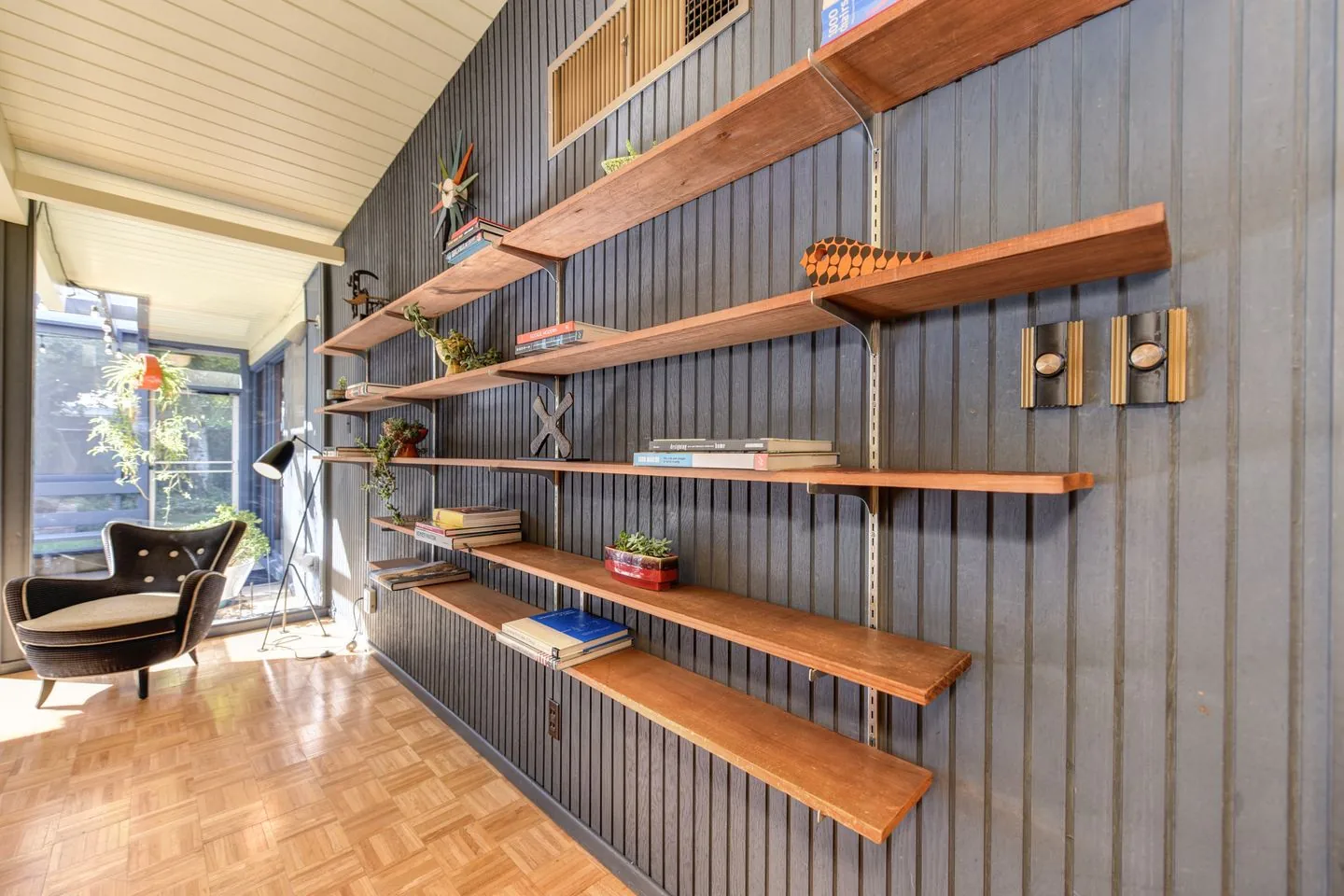
A book stored neatly with the rest of the collection may be easy to forget. Give the book you are currently reading a specific place near the seat or bedside where you use it. Keep it clear of drinks, damp windowsills and direct heat. The aim is simple visibility and access, not a display of how much you intend to read.
Limit the immediate pile to what feels inviting. A tall stack of unfinished books can become a reminder of obligation rather than a choice of pleasure. Other books can stay in their normal storage until you want them. If you enjoy moving between two kinds of reading, give each a clear place without allowing the whole collection to migrate beside the sofa.
Check the seat for the length of your pause
You do not need a dedicated reading chair, but the seat should support the way you naturally sit. Try holding a book for a few minutes and notice whether your arms, neck or feet become uncomfortable. A suitable cushion or foot support may help, provided it leaves the seat stable and easy to get out of.
Keep a small surface nearby for glasses or a drink if those are part of the habit. Reach should feel natural rather than requiring a twist behind the chair. If the surface also holds a lamp, leave enough clear space to put something down without touching the shade. A cramped table can interrupt the quiet activity it is meant to support.
Adjust the light to the page
Test reading light in the conditions when you normally use it. Daylight may be enough in one part of the afternoon but fade quickly later. A lamp should illuminate the page comfortably without creating glare or a strong shadow from your head. Move the light or seat within a safe arrangement before assuming a brighter bulb is the only solution.
Use bulbs and fittings within their specifications, and keep cables out of the walking route. If sharing a room, consider how the light affects someone watching television or resting nearby. An adjustable task light can be useful, but only if its position remains comfortable for both activities. The reading corner should fit the household rather than require everyone else to leave.
Connect reading to a small existing pause
Choose a moment that already occurs, such as waiting for a cup of tea to cool or settling before bed. A few pages can be worthwhile without a fixed target. Avoid making the habit dependent on completing every household task first, because that may leave no realistic opportunity. Equally, do not turn a missed evening into a failed schedule.
Set interruptions at a comfortable distance
If a phone regularly interrupts the pause, put it somewhere less immediate or use settings that suit your needs. This is a practical choice, not a requirement to disconnect completely. Some people read on a device, so the useful boundary may be between the reading application and other notifications rather than between paper and screens.
Leave an easy way back
Use a bookmark and return the book to its place when you stop. Put glasses where you can find them and switch off the lamp safely. A ready setup lowers the effort of beginning again the next day. Let the space remain modest: the habit needs access, comfort and a little attention far more than it needs new furniture or a carefully styled stack of books.
Keep one current book, a comfortable seat and suitable light ready for an ordinary pause.
A Swishover guide · Practical ideas to adapt to your own home.
Spotted something we should improve?