Start with an empty surface
A guest bedside table needs spare capacity. Visitors arrive with glasses, a phone, medication or a book, so a table already filled with decorative objects is not especially helpful. Clear the surface and decide which few things the room genuinely needs. A useful lamp may take priority over a vase, particularly when the table is small.
Check that the table stands securely and is easy to reach from the bed. Lie or sit in the bed to test the distance rather than judging from beside it. Drawers should open without catching bedding, and the route past the table should remain clear. A modest existing table can work very well if its height and placement suit the bed.
Make the light easy to operate
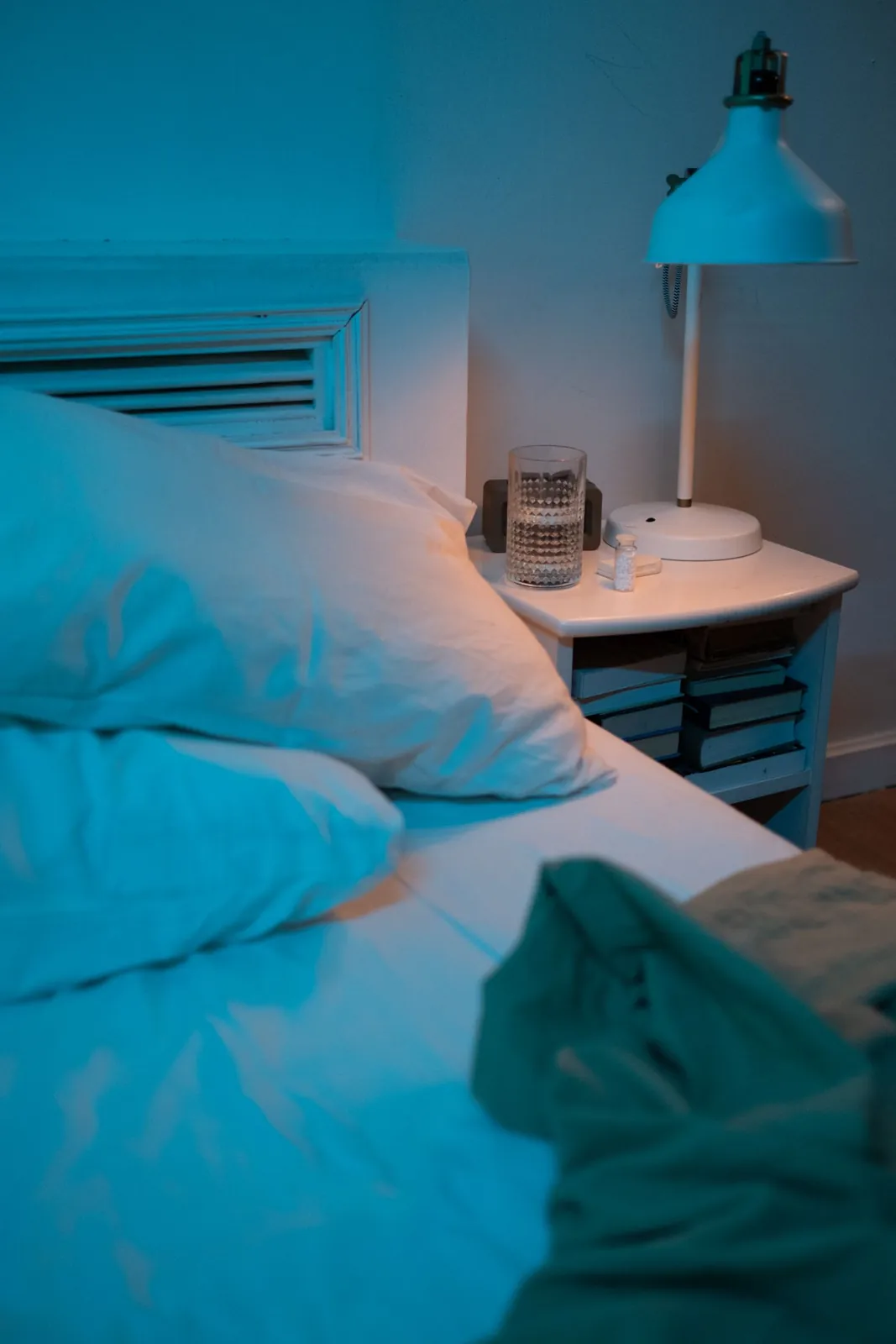
A bedside lamp should give comfortable light without forcing the guest to get up to switch it off. Show or explain any unfamiliar controls, especially if the room uses a switch that is not obvious. Check that the bulb and shade suit the fitting and that the lamp is stable when someone reaches towards it in a darkened room.
Keep cables tidy without trapping or damaging them. If a usable socket is available, leave it accessible for the guest's charger. Do not create an improvised chain of adaptors to promise charging facilities the room cannot comfortably support. A simple explanation of the nearest suitable socket is better than an awkward or overloaded setup beside the bed.
Offer water simply
If offering drinking water, use a clean, suitable vessel and place it where it is unlikely to be knocked over. A glass beside a stable jug may be enough. Protect a vulnerable tabletop appropriately and keep liquids away from electrical equipment. Do not crowd a narrow surface just to include a full tray when one or two items would be easier to manage.
Ask about preferences when useful rather than assuming everyone wants the same extras. Strongly scented flowers or room fragrance may not suit a visitor. A clear, comfortable bedroom is welcoming without adding products that could cause discomfort. The guest should be able to make the space their own for the duration of the stay.
Provide information without clutter
Useful details can include the Wi-Fi information you choose to share, where the bathroom is and how the heating or blinds work. Keep any written note short and legible, and avoid leaving private household information on display. You can explain most of it in person, with a small reminder only where it will genuinely help later.
A box of tissues may be useful if there is room, while spare toiletries can live in a separate guest cupboard or basket. Avoid filling the bedside drawer with household overflow. An empty drawer offers a practical place for personal belongings and saves the guest from wondering whether they are allowed to move your stored items.
Check the room after dark
Walk from the bedroom door to the bed with the main light off and the bedside lamp on. Look for awkward furniture, trailing cables or anything difficult to see underfoot. Explain the route to the bathroom if the home is unfamiliar. A thoughtful bedside arrangement is less about abundance than about allowing someone to read, sleep and settle their belongings without searching or rearranging the room.
Leave guests enough space for their own belongings and make the essentials easy to understand.
A Swishover guide · Practical ideas to adapt to your own home.
Spotted something we should improve?