Notice the overlapping activities
Family living rooms often host television, conversations, games and reading at the same time. The difficulty is not always a shortage of seats. It may be that every seat faces the loudest activity, or that the only useful table belongs to the person playing a game.
Observe a typical evening. Identify the activity that needs the most space, the one that needs concentration and the routes people use between them. A quieter corner should respond to that pattern. It cannot eliminate sound, but it can reduce visual interruption and give someone a more settled place to sit.
Turn one seat slightly away
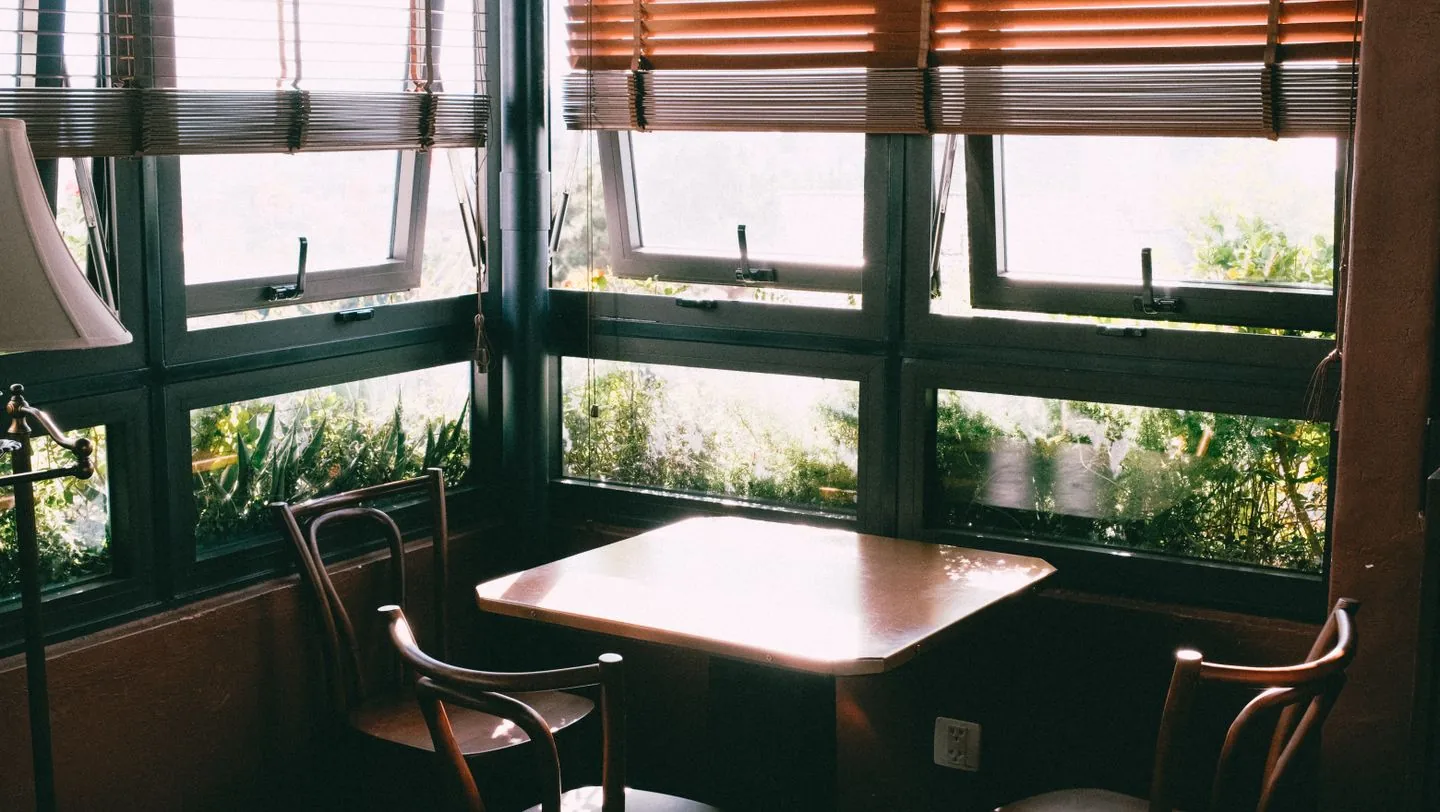
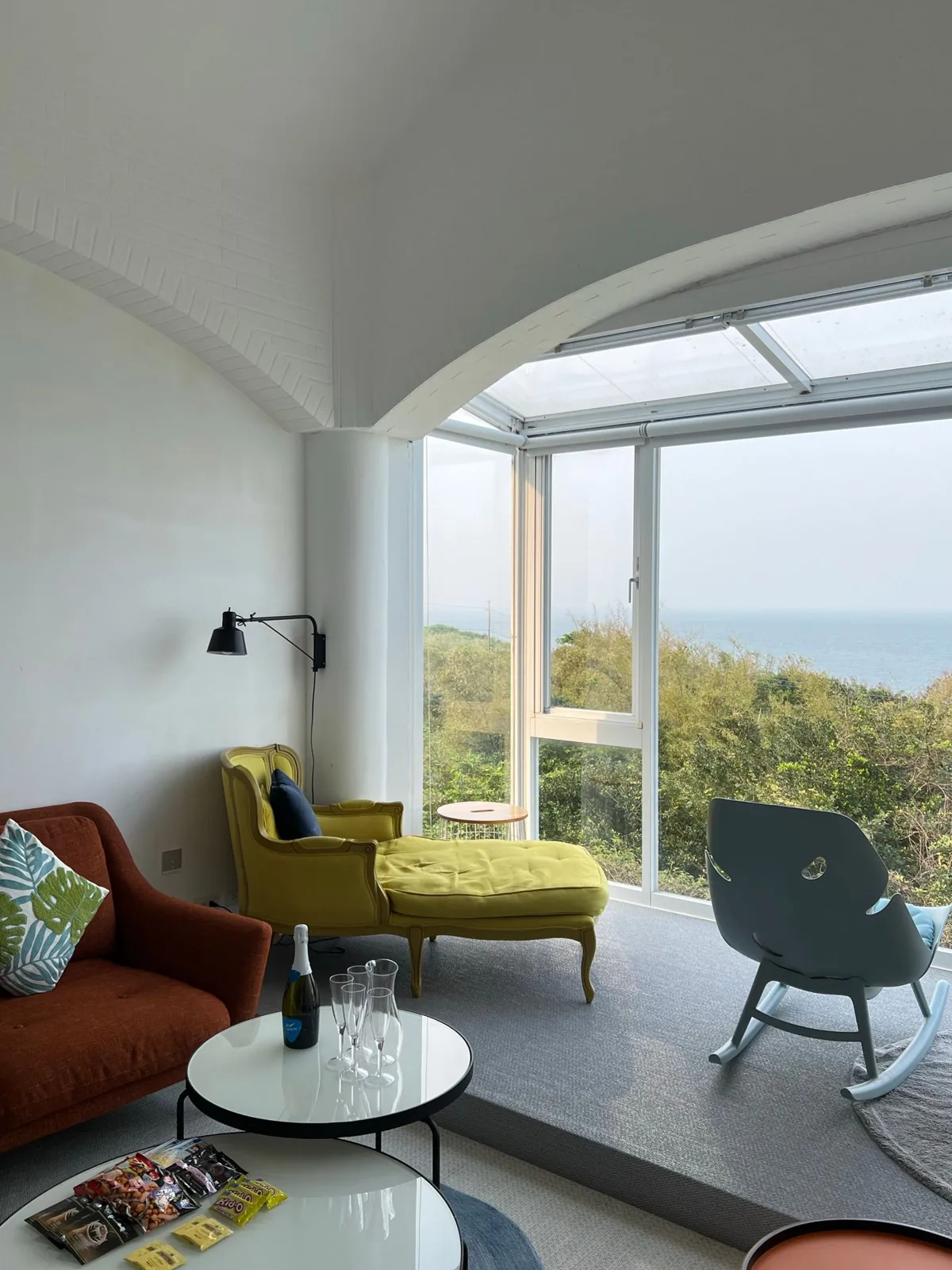
A chair angled towards a window or bookcase can feel different from the main television seating without becoming isolated. Keep it close enough to join conversation when desired. The distinction may come from orientation and a nearby lamp rather than a physical divider.
Check that the person using it is not in the route to the kitchen or door. A chair repeatedly brushed by passing bags is unlikely to feel restful, however attractive its cushions. Sometimes moving the quieter seat only a short distance changes its usefulness more than adding another piece of furniture.
Share surfaces fairly
Give the quieter seat somewhere for a drink, book or small activity. If every surface is concentrated around the sofa, its occupant will keep returning to the busiest part of the room. A stable side table or accessible shelf can be sufficient.
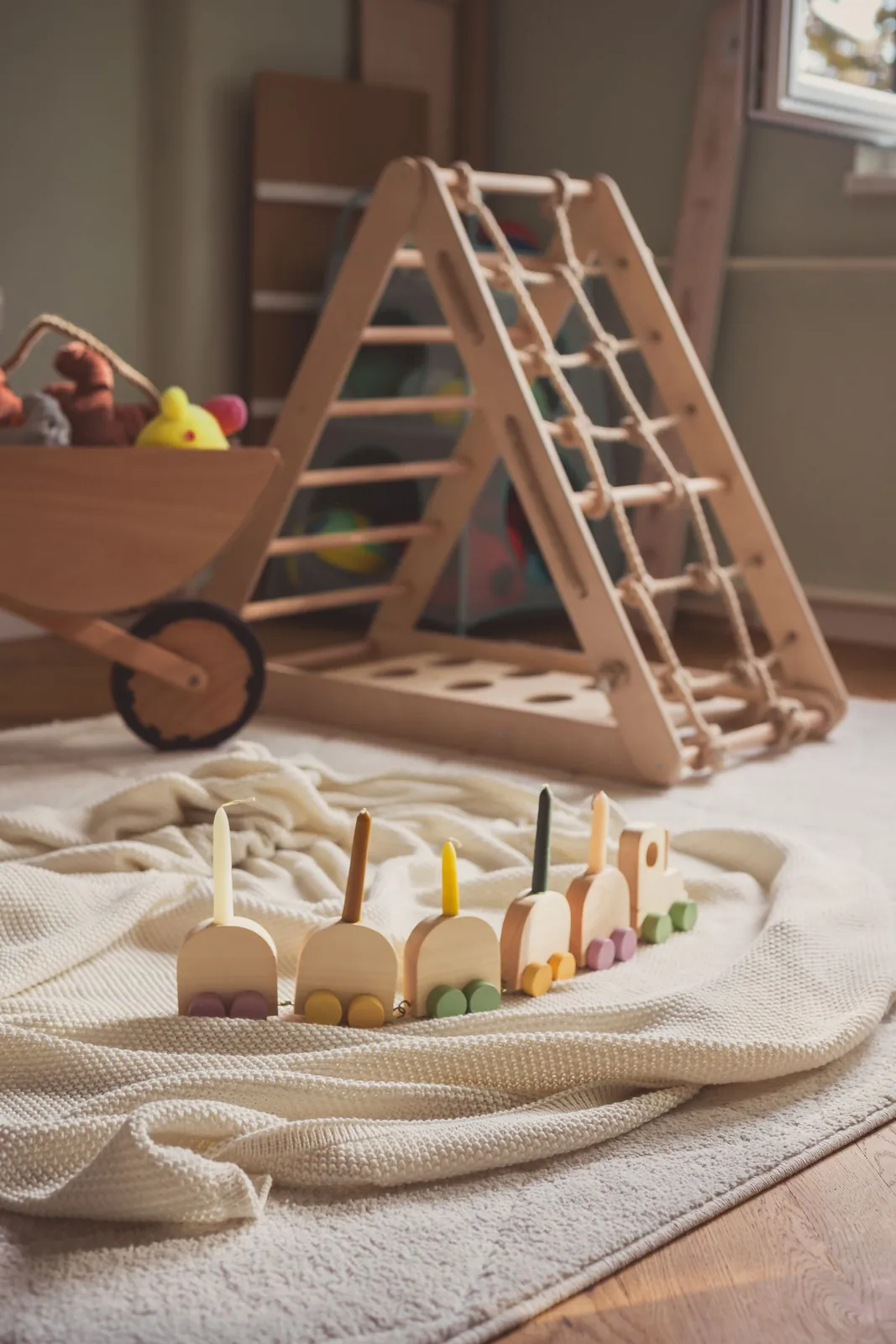
For puzzles, drawing or board games, choose a surface that can remain usable while others sit nearby. Avoid spreading activity storage across several small tables. One contained box with a convenient home is easier to clear when the room needs to change from play to conversation.
Soften sound where practical
Rugs, curtains and upholstered furniture can make a hard-surfaced room feel less echoing, though they will not make simultaneous activities silent. Add textiles for comfort and suitability rather than expecting them to provide soundproofing. The room still needs easy cleaning and safe, clear routes.
Household habits matter as much as materials. Agreeing when headphones are appropriate or when a louder game moves elsewhere may solve a conflict that furniture cannot. Keep expectations realistic: a corner within a shared living room offers a little separation, not the privacy of another room.
Provide storage near each activity
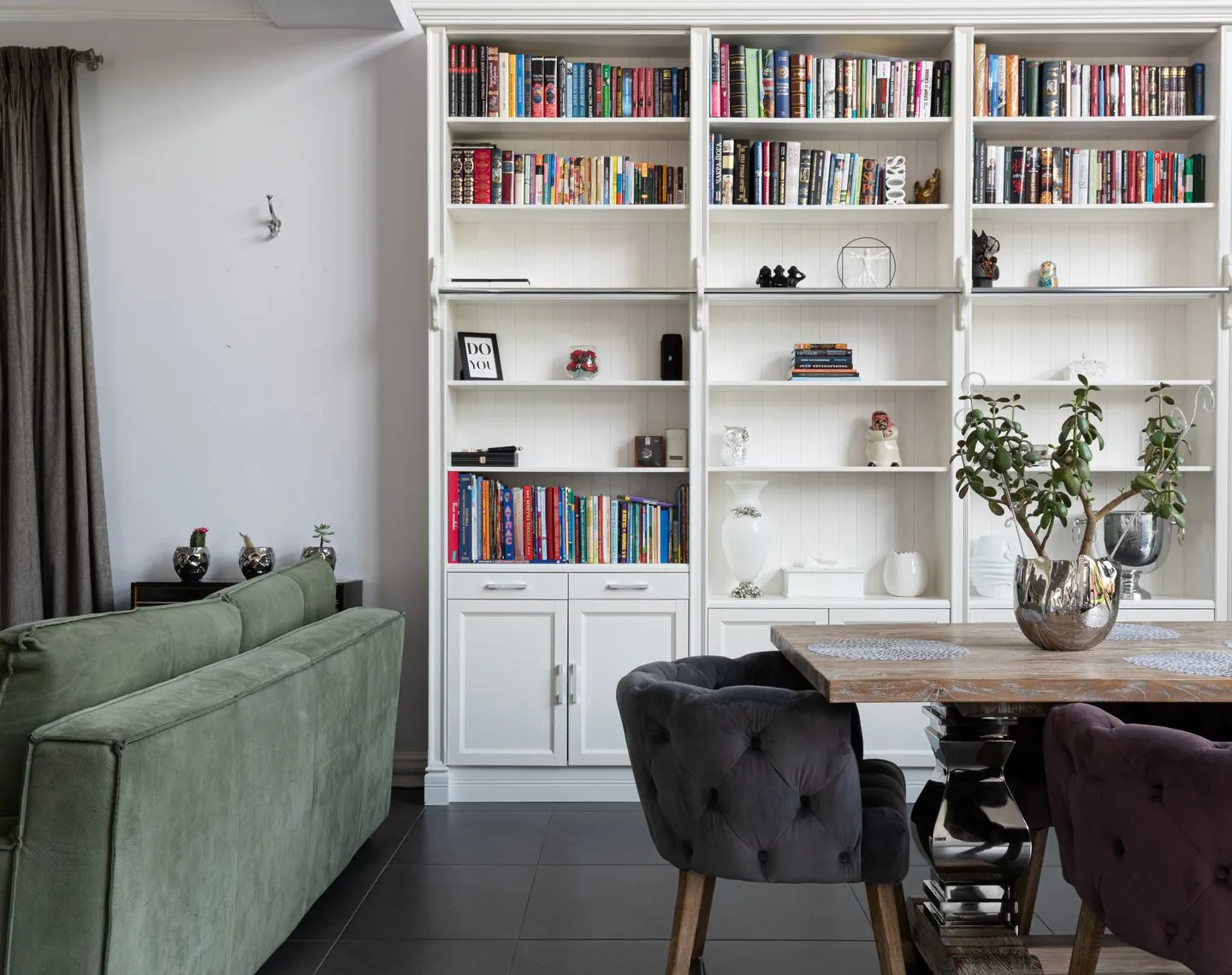
Books near the reading chair and game supplies near their usual surface reduce movement across the room. Keep the amount proportionate. A quiet corner surrounded by overflowing storage can feel like the place left over after everyone else's needs were met.
Use accessible containers and return items at the end of an activity. Younger children may manage a simple open box more easily than several lidded organisers. Store anything unsuitable for them separately, and secure furniture as required by its maker, particularly in a family space.
Test it with everyone present
An arrangement can look convincing while the room is empty and fail as soon as the household gathers. Try it during an ordinary evening. Check sightlines, lamp glare and whether people can move without stepping over games or squeezing past knees.
Ask about specific difficulties rather than whether everyone likes the layout. Can the reader reach a light? Can someone join the conversation? Is there a place to put a glass? Adjusting these details produces a room that feels fairer and more comfortable, with quieter moments available inside normal family life.
Give quieter activities an identifiable place while keeping the room easy to share.
A Swishover guide · Practical ideas to adapt to your own home.
Spotted something we should improve?