Read the room from the entrance
A narrow living room often feels like a corridor because everything points towards its far end. A long sofa, a long cabinet and a runner can all reinforce that direction. Stand at the entrance and notice which lines your eye follows. You are looking for a place to interrupt the length gently, rather than adding furniture simply to fill the walls.
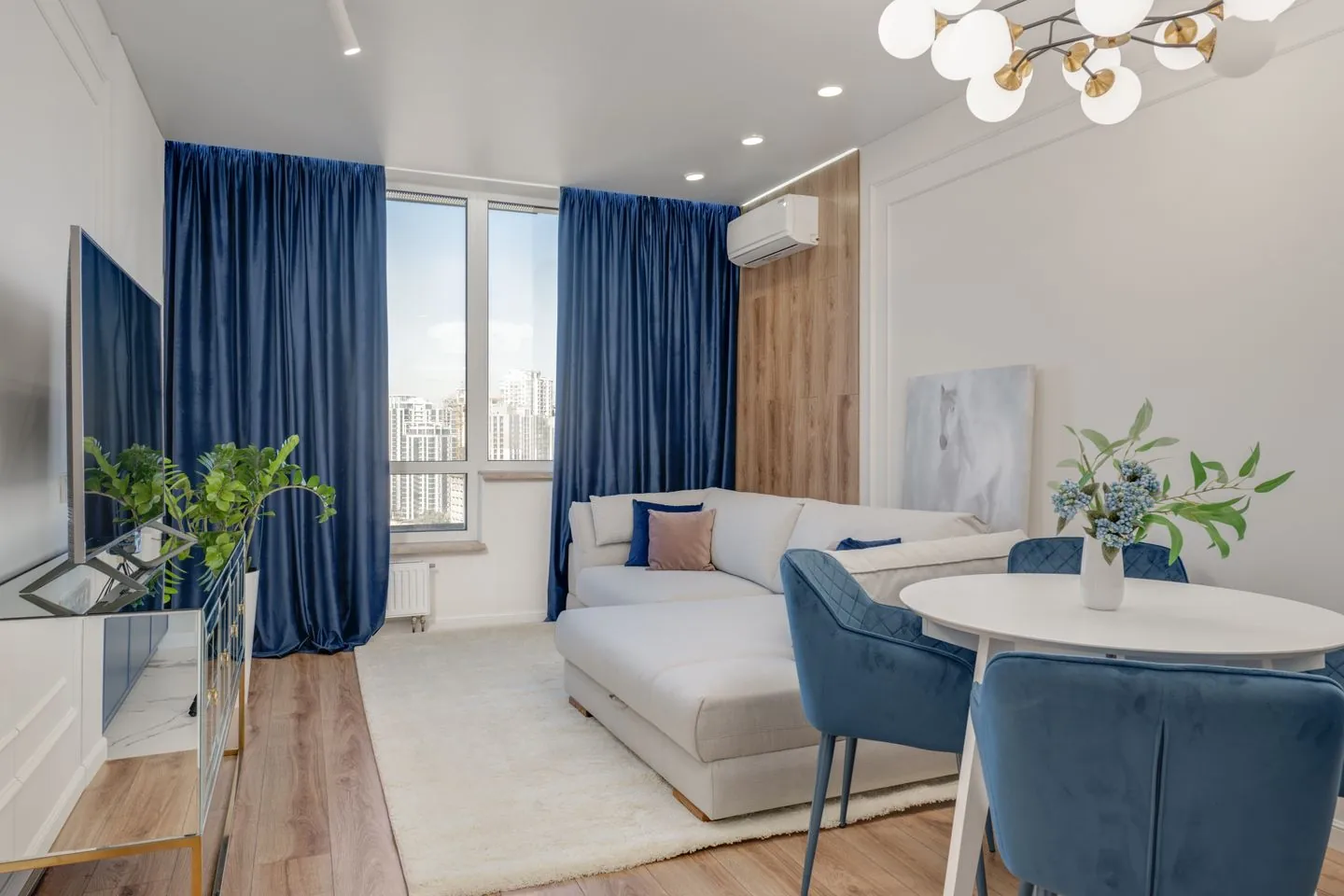
A chair angled towards the sofa, a broad picture or a rug placed across the seating area can create a pause. Keep that pause within the furniture group. Putting a console across the route may shorten the view, but it also makes the room frustrating to walk through.
Give one side more weight
Trying to put equally substantial furniture on both long walls usually leaves a tight channel down the middle. Instead, let one wall hold the larger piece, perhaps the sofa, and use a lighter arrangement opposite. A shallow media shelf and a small chair may provide everything you need without creating two competing banks of furniture.
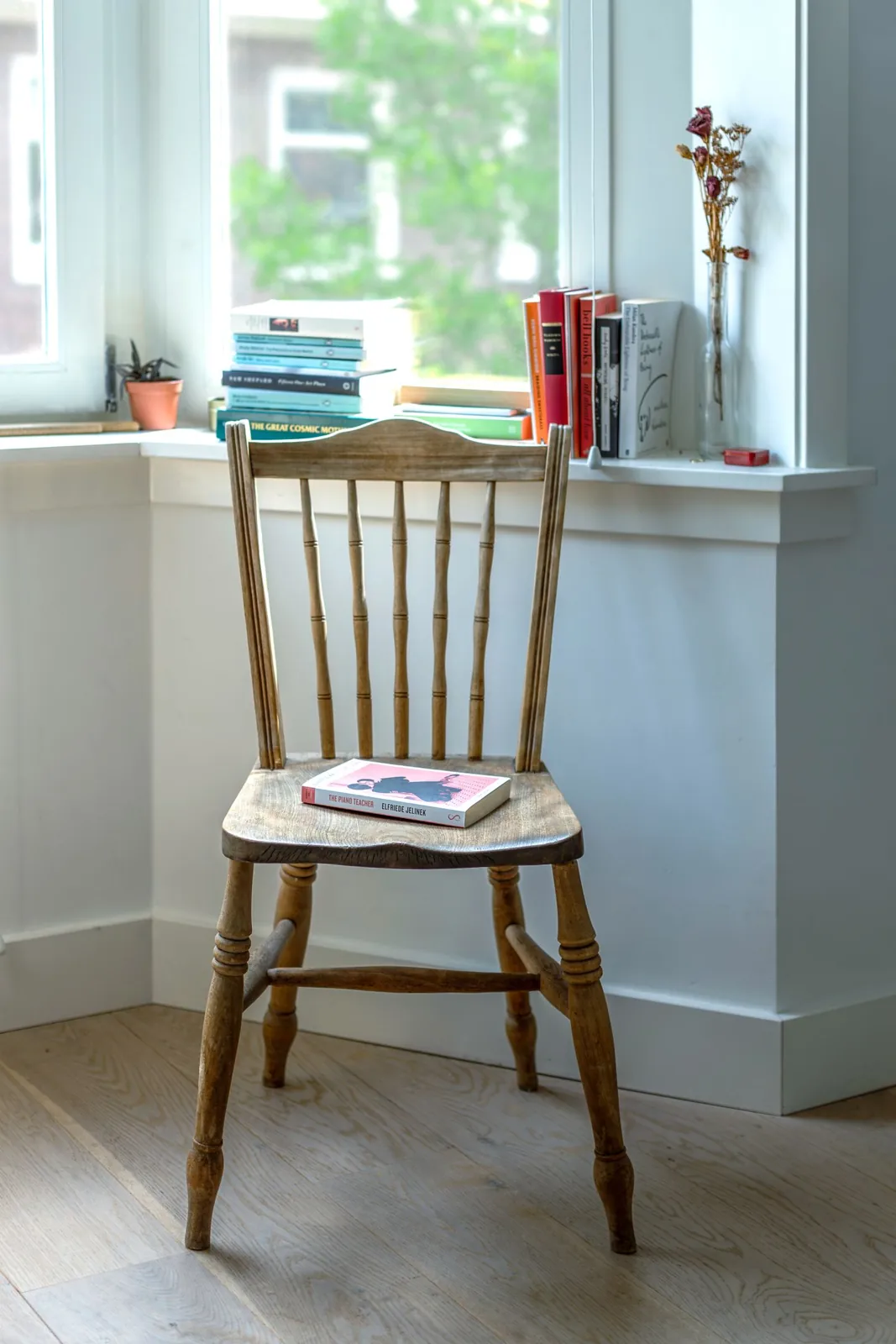
Lighter does not necessarily mean pale. A dark, slim-legged chair can occupy less visual space than a bulky cream armchair. Compare the depth, arm shape and amount of visible floor beneath each piece. These details matter more than matching all the colours perfectly.
Break up the length with useful zones
If the room is genuinely long enough, give its ends different purposes. The main seating could sit near the fireplace while a small desk or reading chair occupies the window end. Use the activities you already enjoy as the starting point. There is no benefit in creating a decorative reading nook if the household needs somewhere to put away board games.
The two areas should still share a clear route. Check that a person can pass when the desk chair is pulled out and someone is seated on the sofa. A zone that works only when its furniture is tucked away is unlikely to remain useful.
Choose the centre carefully
A large square coffee table can make a narrow seating group feel pinched. Try marking a slimmer rectangle or an oval on the floor with paper. Sit down, stand up and imagine reaching for a cup. Two small side tables may serve the room better, especially when the central space doubles as a play area or exercise spot.
Avoid collecting tiny pieces to compensate for one oversized item. Several stools, baskets and nesting tables can become a scattered obstacle course. Choose the few surfaces that have a regular job, and remove the rest for a week before deciding what is missing.
Carry the balance upwards
Curtains and wall art can change the proportions without occupying floor space. A generous curtain arrangement around a window helps that end feel intentional; a single broader artwork above the sofa may feel calmer than many small frames marching along the entire wall. Neither needs to be centred on the whole room if the furniture group sits elsewhere.
Finish by checking the room from both directions. The view back towards the entrance should feel as considered as the view towards the window. If one end seems crowded, move a visual detail rather than immediately buying another piece of furniture for the emptier end.
Balance the view across the room, then protect a continuous route along its length.
A Swishover guide · Practical ideas to adapt to your own home.
Spotted something we should improve?