Work out what makes it awkward
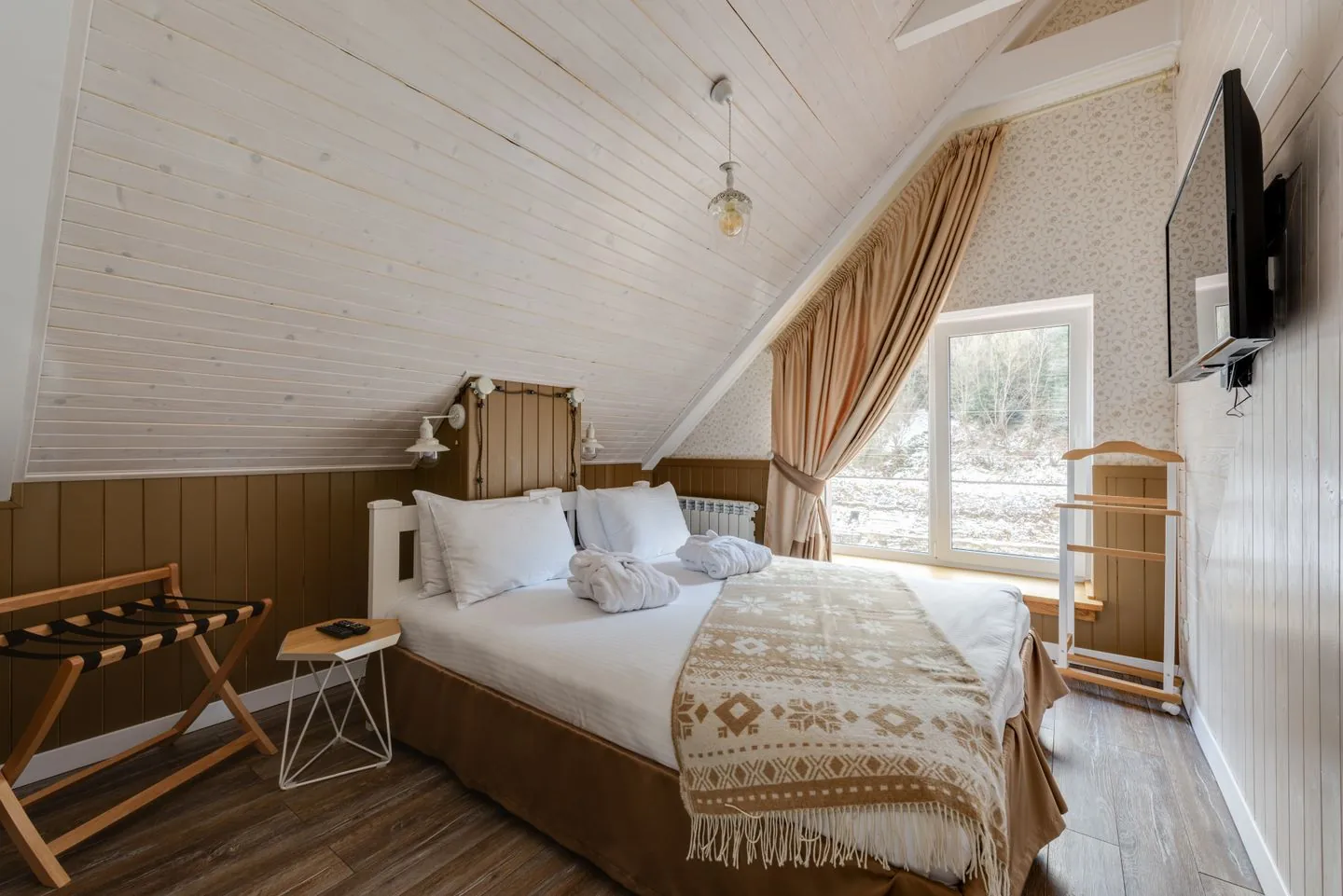
A corner may be difficult because of a sloping ceiling, an angled wall, a radiator or the way a door opens. Measure these constraints before looking for a piece that appears to fit. Include skirting boards and the usable height, not just the width across the floor. A cupboard that technically fits can still be impossible to open comfortably.
Photograph the corner from the room's usual viewpoints. It may be less noticeable than it seems when you stand directly in front of it. That helps distinguish a genuine storage problem from the feeling that every empty patch needs to be filled. Empty space can provide a useful pause beside busier furniture.
Choose one modest purpose
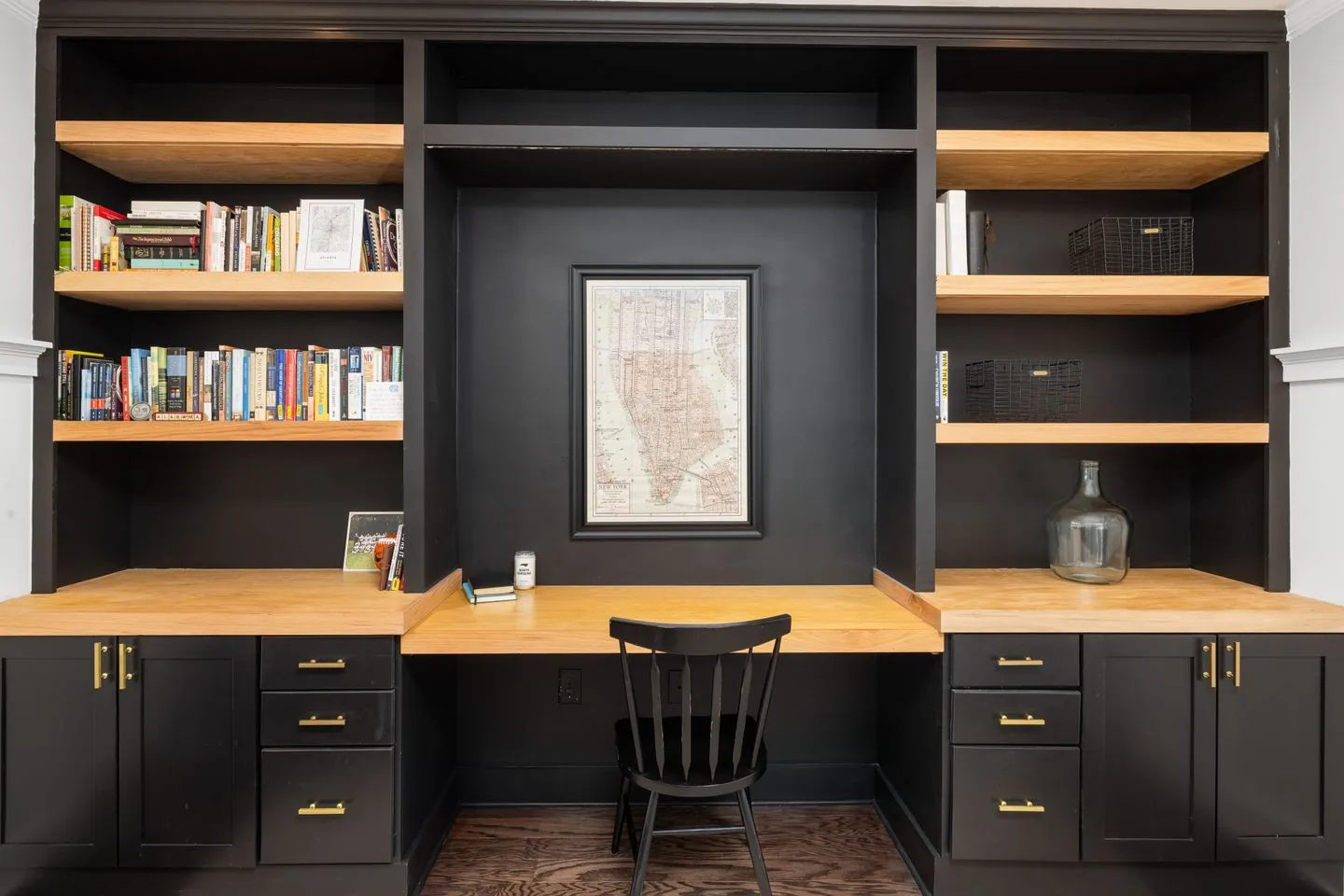
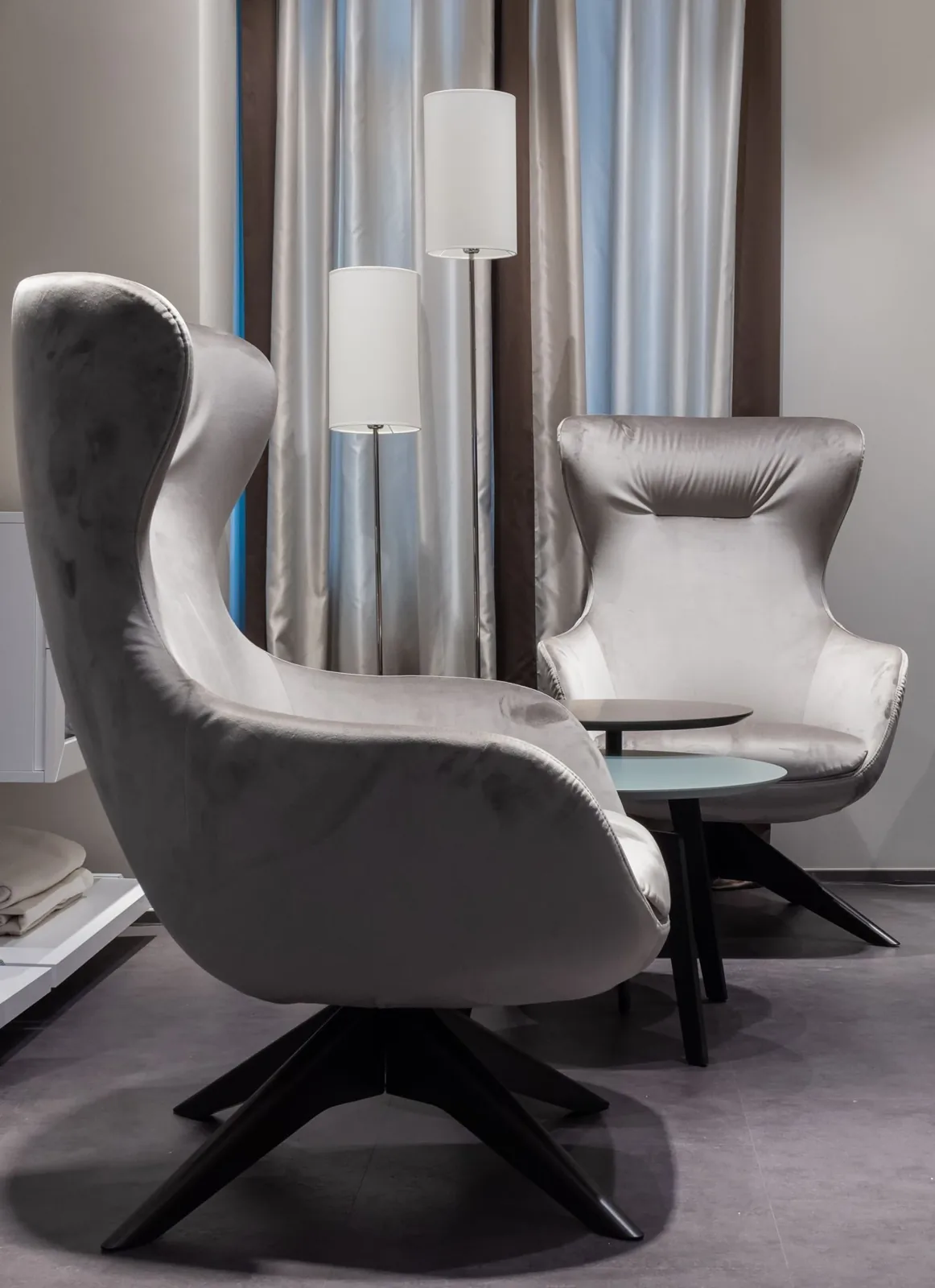
Consider something already missing from the room. A place for a reading lamp, a basket of throws or a narrow shelf for current books may be enough. Avoid turning a small recess into a combined office, display cabinet and storage centre. Too many ambitions usually produce furniture that is too deep or objects stacked beyond comfortable reach.
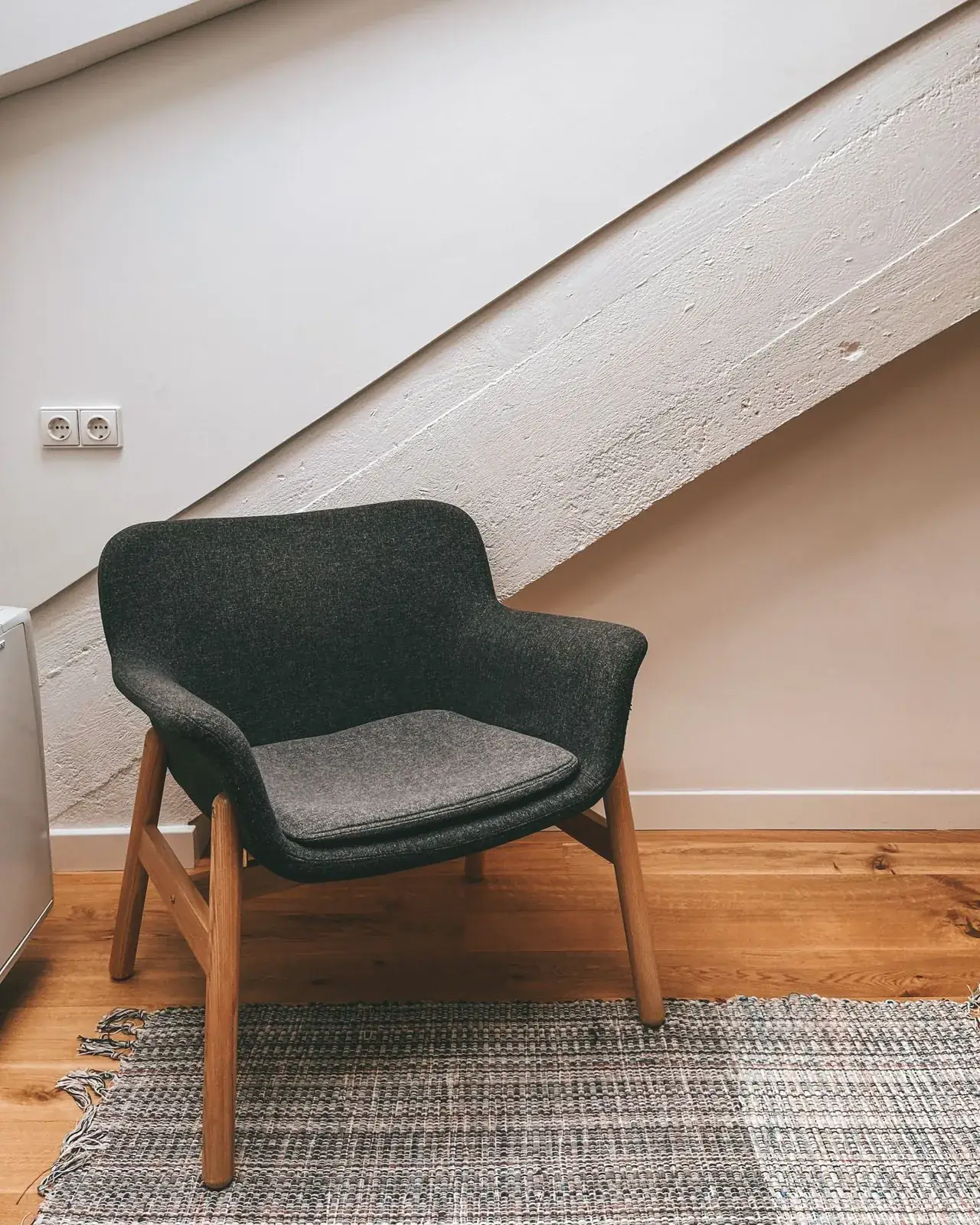
Think about frequency too. A corner behind a chair might suit occasional storage, while a place beside the door needs to be easy to use every day. Do not put regularly needed items somewhere that requires moving another piece of furniture each time. That friction tends to move the items back into the room.
Test the shape without buying
Use a cardboard box or paper outline to represent a possible table or cabinet. Leave it in place while opening doors and moving around normally. Corners can deceive the eye: a triangular top may fit the angle but project surprisingly far into the room, while a simple shallow rectangle may leave more useful floor space.
Look upwards as well as down. A tall piece can draw attention to an awkward angle that a lower piece would quietly accommodate. Conversely, a narrow upright item can make sense beside a high wall if the floor needs to remain clear. Choose the proportion that improves the whole room, not merely the corner itself.
Use a single visual gesture
If storage is not needed, a piece of art or a suitable plant can give the corner presence without adding a cabinet. Choose a plant for the available light and household circumstances, including pets, rather than for its outline alone. A plant struggling in a dark recess is unlikely to make the room feel better.
A wall-mounted item needs an appropriate fixing for the wall and its weight. In rented homes, check what alterations are allowed before drilling. A freestanding option may be simpler, but it should still be stable and leave access to sockets, vents and anything that needs routine maintenance.
Stop when the room improves
After adding one useful element, live with it before filling the remaining gaps. The temptation is to complete the scene with a small stool, extra basket and decorative light. Those additions can quickly turn a solved corner into a cluster of things that need to be moved for cleaning.
Judge the result from your normal seat or the doorway. If the room feels easier to use and the corner no longer distracts you, it has enough. If nothing fits naturally, keep it clear. An awkward corner is not a design failure simply because it has no assigned object standing inside it.
Match the corner to one real need, and leave it empty if no useful purpose fits.
A Swishover guide · Practical ideas to adapt to your own home.
Spotted something we should improve?