Give the bookcase a practical brief
A bookcase can hold games, paperwork and small household belongings alongside books, but it needs a clearer purpose than catching whatever has no home. Decide which activities happen nearby. A living-room unit might support reading and board games; one beside a desk could hold reference books and a few office supplies. Gather those groups before rearranging the shelves. Remove objects that belong in another room rather than building a compartment around every stray item. The useful mix will come from the way the room is used. Decorative pieces can join it later, once the daily contents have enough space to be taken out and returned.
Check stability before loading
Follow the furniture manufacturer's assembly, load and anchoring instructions, particularly for a tall or narrow unit. Heavy books and filled boxes create substantial weight, so do not assume a shelf can hold as much as its surface area suggests. Put heavier objects where they can be lifted comfortably and where the unit's guidance allows. Check for sagging shelves, loose fittings or an uneven floor before adding more. Keep tempting toys or frequently requested objects within a child's safe reach rather than creating a reason to climb. A freestanding bookcase used to divide a room needs to be suitable for that position, with its stability and access considered from both sides.
Let books remain identifiable
Arrange books in a way that reflects how you find them. Subject, author or a simple division between fiction and reference may be more useful than colour. Keep spines readable and use suitable bookends where a short row would otherwise lean. Large books can sit flat in a low stack if lifting the top few is manageable, but avoid using frequently read volumes as permanent plinths for heavy ornaments. Allow space above a row to grip a book without pulling its neighbours. If shelves adjust, fit them to the books rather than wasting tall gaps above every row or squeezing taller volumes into awkward diagonal positions.
Contain the smaller things
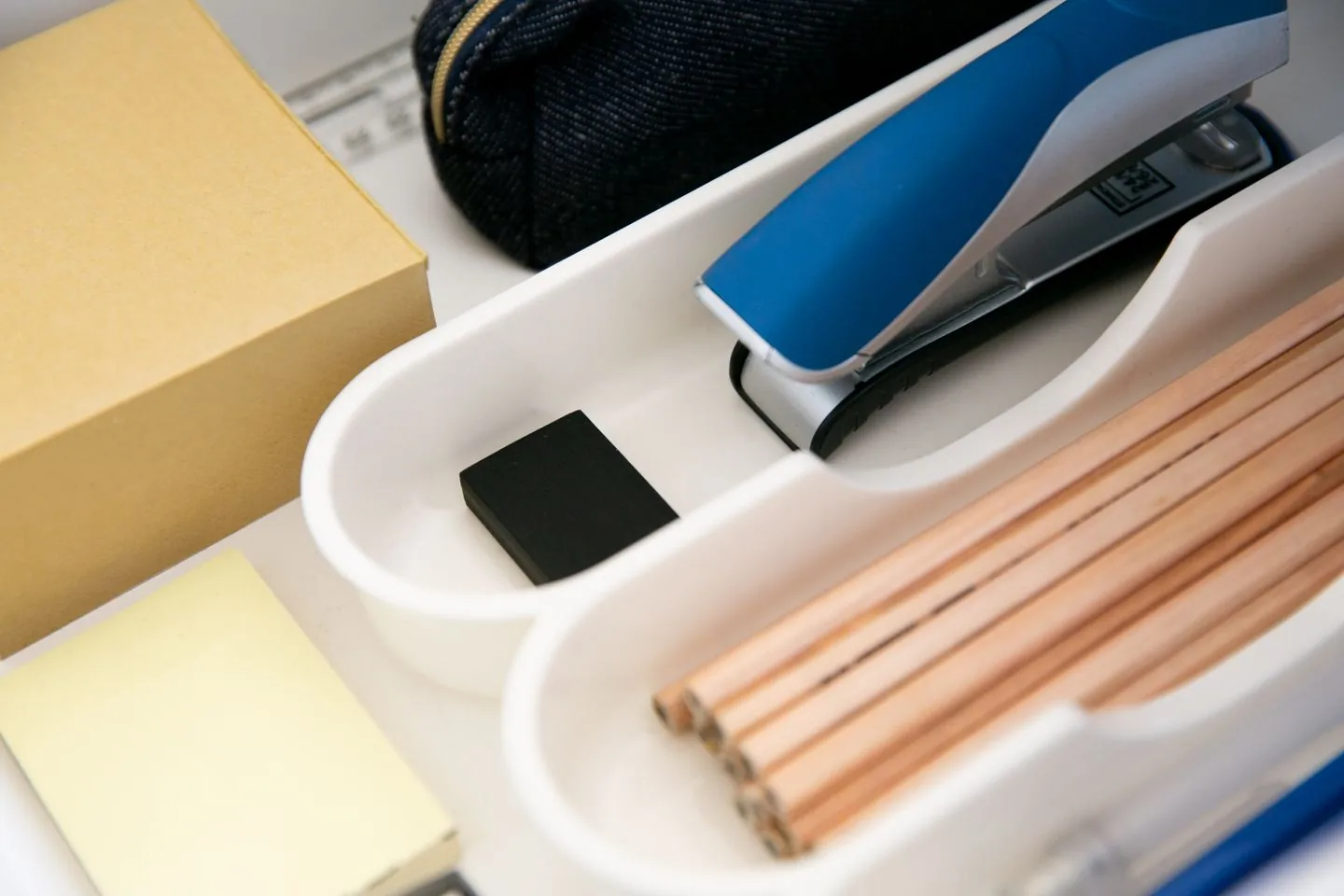
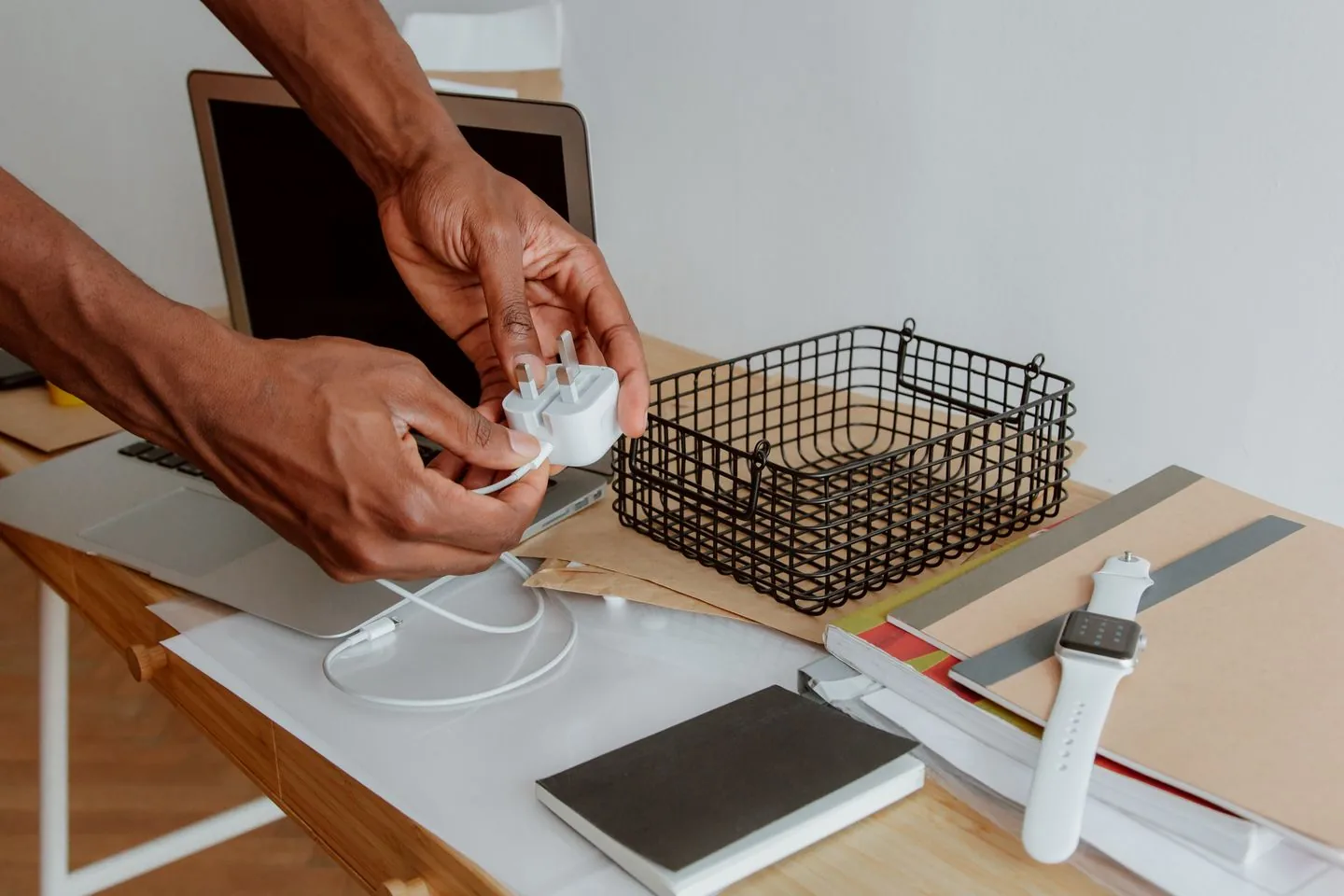
Choose boxes for specific groups such as spare cables, stationery or a single game's loose pieces. Measure the shelf opening and make sure the container slides out without scraping. Handles and labels should face forward. Similar containers can make the bookcase feel calmer, but identical boxes become confusing if their contents are not clear. A shallow open tray suits objects used daily; a lidded box may be better for occasional supplies. Keep each container light enough to remove safely. Do not use a beautiful basket to conceal an unsorted collection indefinitely, because the shelf will look settled while the practical problem remains inside.
Preserve a few open areas
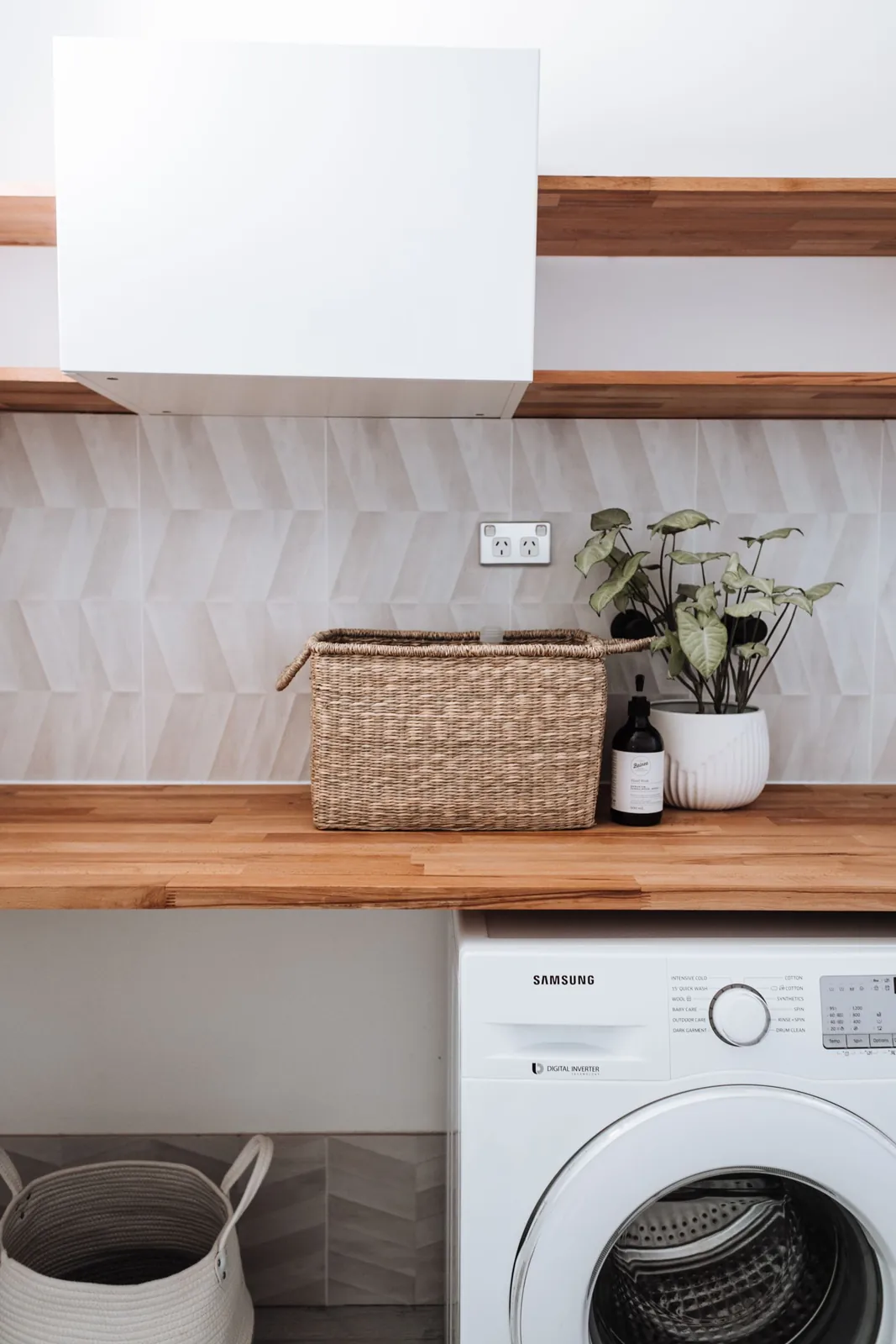
Once the useful contents are in place, step back and assess the whole unit. Leaving part of a shelf uncovered makes it easier to move objects and gives the eye somewhere to rest. A plant or ceramic piece can sit in one of these quieter areas if its care and weight suit the position. Protect the shelf from water and avoid placing a watered plant above vulnerable books or electrical equipment. Keep the front edge clear rather than adding a second row of tiny objects. When the bookcase begins to overflow, review one category at a time instead of filling the remaining gaps with another layer.
Combine clear categories with safe loading, readable books and containers that can be removed without rearranging the shelf.
A Swishover guide · Practical ideas to adapt to your own home.
Spotted something we should improve?