Observe the daylight you actually receive
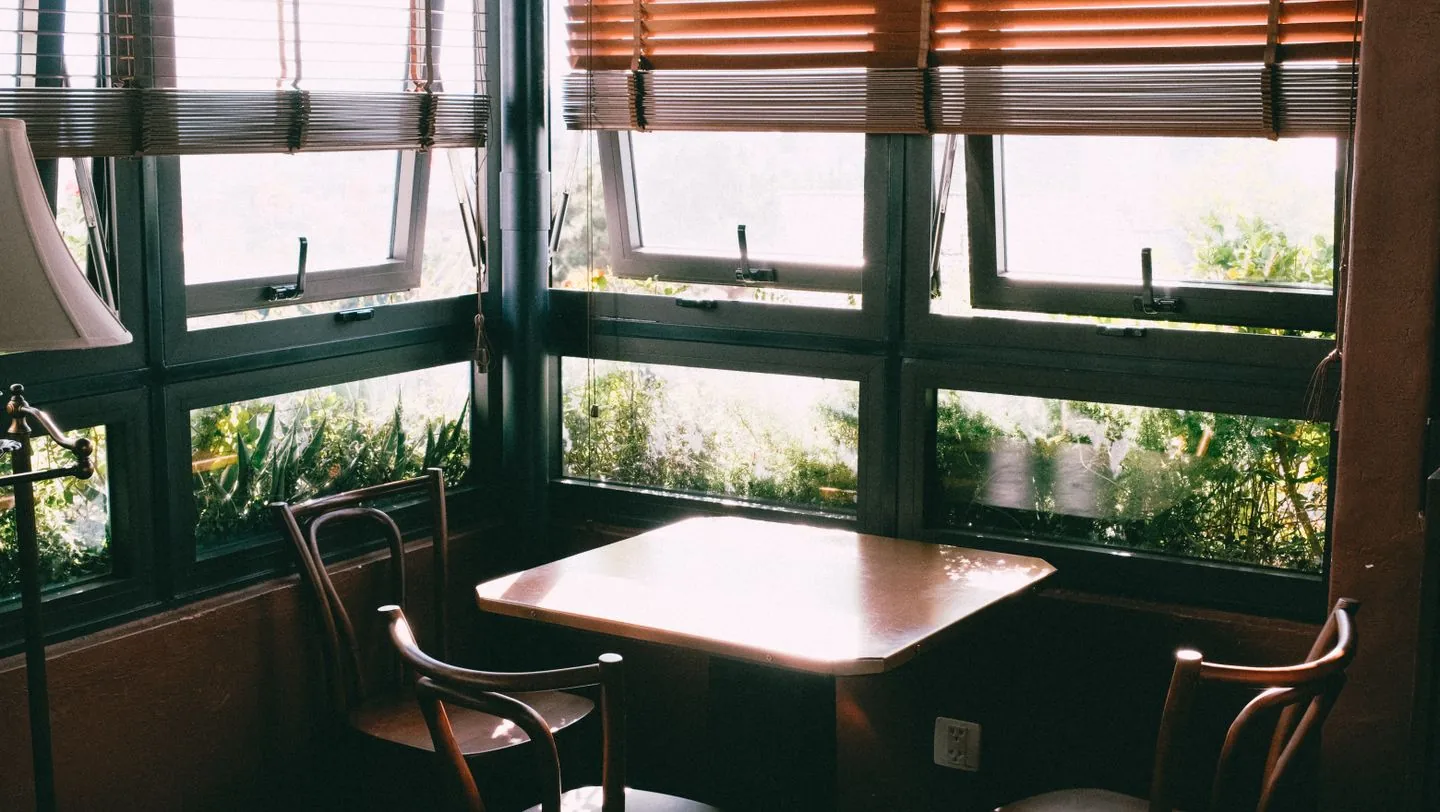
A north-facing room often has steadier, cooler daylight, but its brightness also depends on window size, surrounding buildings and the time of year. Spend time in the room before assigning it a problem. Note which corners feel dim and whether the room is pleasant at the times it is most used.
Keep windows and coverings working efficiently. Heavy fabric bunched across the glass can reduce available light even when the curtains are technically open. Check whether the existing arrangement can draw back more fully without compromising privacy or heat control. Sometimes a practical adjustment makes more difference than repainting.
Compare paint samples on more than one wall
A colour that looks warm in a shop may appear flat or surprisingly pink at home. Use generous samples and look at them beside the floor, curtains and largest furniture. Check morning, afternoon and evening. Small swatches surrounded by the old wall colour can make subtle differences harder to judge.
Pale paint is not the only option. A deeper shade may create a comfortable, enclosed feeling if that suits the room's purpose. Choose according to the atmosphere you enjoy rather than treating brightness as the sole objective. A reading room and a busy family kitchen may benefit from quite different approaches to the same orientation.
Add texture with a clear role
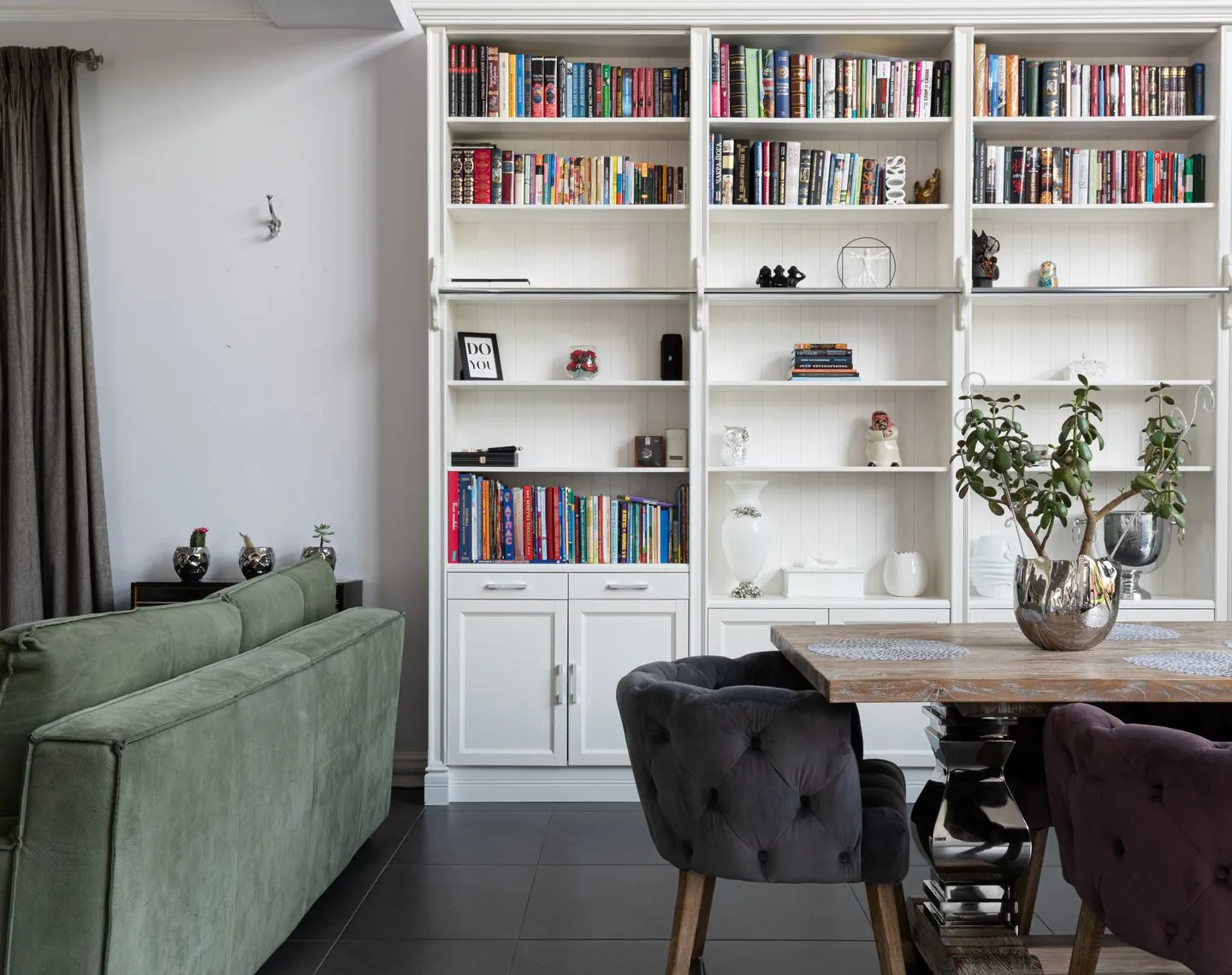
Wool, woven fabric, timber and other tactile materials can make a room feel more inviting. Use them where they improve daily comfort: a throw on the usual chair, curtains that hang well or a rug suited to the floor. Avoid accumulating accessories that require constant moving without making the room nicer to use.
Vary the scale of texture. A large, softly woven curtain and a smooth wooden table can sit comfortably together, while many small textured objects may look busy. Let a few substantial materials do the work, and keep enough quieter surface around them that their differences remain visible.
Put lamps near activities
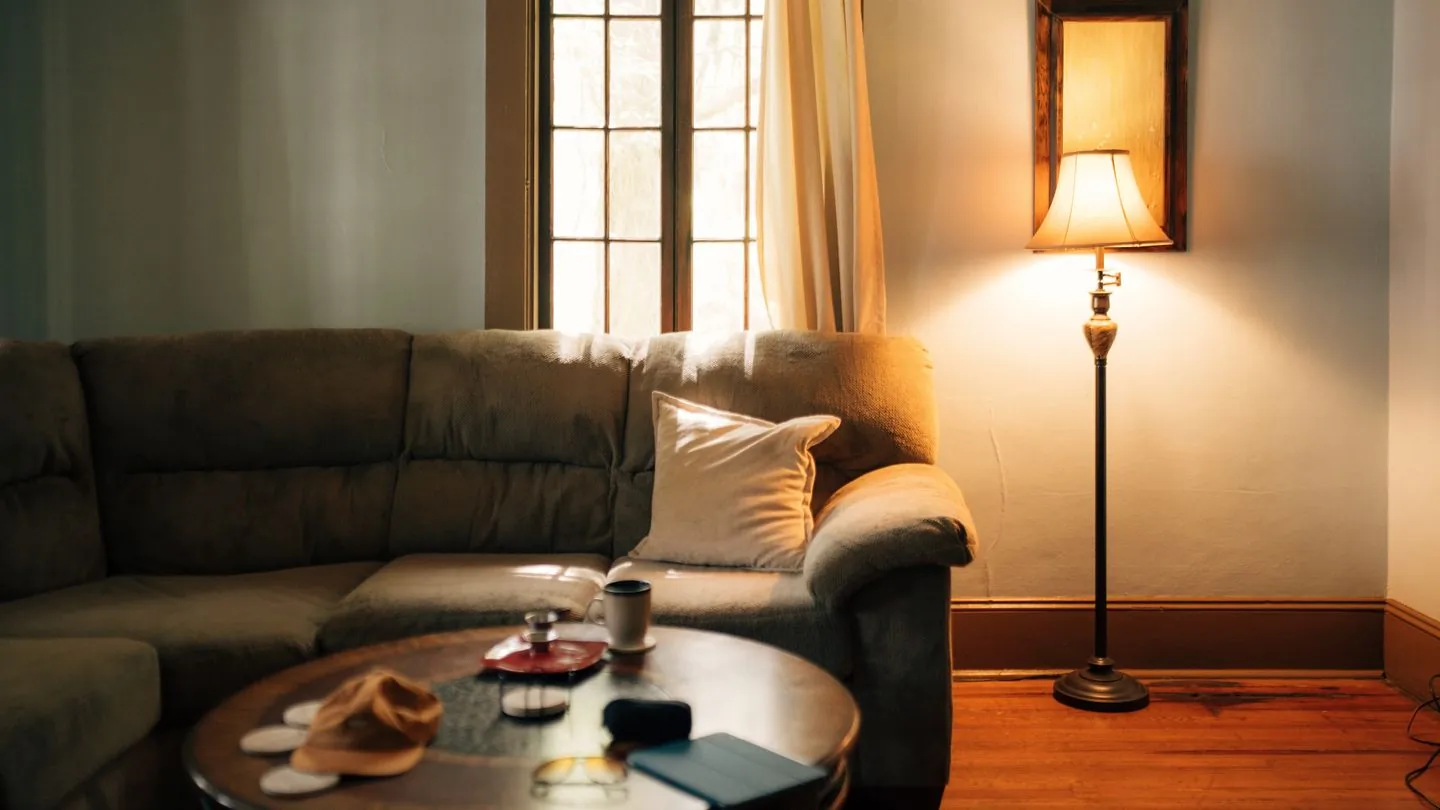
Adding a brighter central light does not necessarily make a dim corner pleasant. Place light where someone reads, works or sits, with fittings and lamps appropriate to their purpose. An adjustable source can help direct illumination without dazzling the person opposite. Keep leads away from routes and follow product requirements.
Look at the whole room after dark. Several gentle light sources can create depth, but they should not leave essential movement areas hard to see. If new wiring is needed, use a qualified professional. First test what can be achieved by changing the position or use of lamps you already own.
Choose accents that belong together
A warm accent can lift a cool room, but an isolated orange cushion is not a complete solution. Repeat a related tone in a modest way, perhaps through a print, fabric or timber. It should connect to the room's existing materials rather than look like a corrective patch added at the end.
Finish with a seated check. Does the room feel comfortable where you spend time, with enough light for the activity and colours you enjoy at that hour? That is more important than making it resemble a sun-filled photograph. Work with the room's quieter daylight and let its welcome come from use, touch and a considered evening atmosphere.
Test colours in the room and build warmth through several small decisions.
A Swishover guide · Practical ideas to adapt to your own home.
Spotted something we should improve?